War Politics TV Series - Page 73

乱世飘萍
2005
乱世飘萍
2005
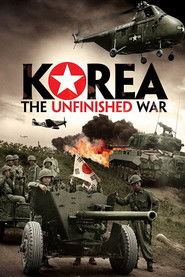
Korea: The Unfinished War
2003
star 8It was the first war the UN would fight in, the opening salvos of the Cold War. A war that would redefine global politics & shape a Region. This is the Story of the Korean War. Through gripping reenactments & the words of those who fought & lived through it, this four part series will take you through the horrors of the war.Hacı
2006
Hacı
2006
突出重围
2000
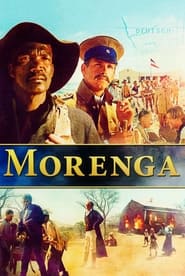
Morenga
1985
Morenga
1985
star 8Gottschalk and Wenstrup are two German veterinarians who have settled in German Southwest Africa to tend to the needs of cattle ranchers. When a rebellion by a local dissident named Morenga is brutally crushed by the Germans, the two vets get involved, at great risk to themselves, and offer help to the native revolutionaries.Between the Wars
1978
Between the Wars
1978
star 9.5This classic series follows the events that sparked the greatest conflict of the century, capturing the drama, the excitement and the ideological juxtapositions of these crucial years. Former CBS News correspondent and commentator Eric Sevareid, one of the world's most respected figures in journalism, presents this extraordinary series featuring stunning original newsreels, soundtracks, and rare archival footage.The Devil's Crown
1978
The Devil's Crown
1978
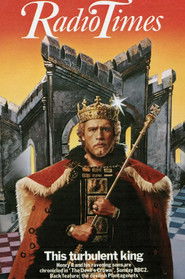
star 7.8The Devil's Crown was a BBC limited series which dramatised the reigns of three medieval Kings of England: Henry II and his sons Richard the Lionheart and John. It was broadcast in thirteen 55-minute episodes between 30 April and 23 July 1978. Henry Plantagenet (latterly Henry II), sees his opportunity to seize the crown of England and create a kingdom of law and order. He cuts a deal with King Stephen in which Stephen will name him his heir, excluding his sons Eustace and William in exchange for a fragile truce. Stephen's sudden death elevates Henry to the throne. He may have been King of England, but the bulk of the Angevin Empire was in France, and it was this that Henry regarded as the Jewel in his Crown, maintained through a series of political marriages and complex allegiances. Henry pays homage to Louis VII, King of the Franks, for these lands, but it is clear that Henry is the shrewder and more ambitious of the two kings, having married Louis' ex-wife Eleanor of Aquitaine.AMIA
2025
AMIA
2025
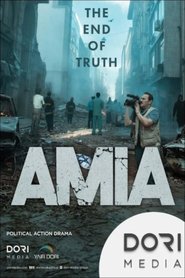
star 5Diego, a Mossad agent whose sister was killed in the Argentina terrorist attack, takes a leave of absence and hooks up with Gisela, a local journalist to find those responsible. Their journey to uncover the truth draws them into a world of espionage, intelligence agencies and arms dealers. A dubious world in which lies are truths, and justice and revenge become indistinguishable. The journey that the two embark on will eventually lead to a re-examination of their connection with their families and even their concept of self-identity.The Zelensky Story
2024
The Zelensky Story
2024
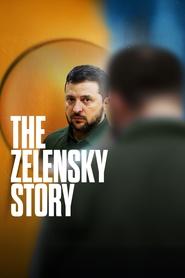
star 9Follow Zelensky’s journey from a young actor and entertainer to one of the most recognisable leaders on the planet, presiding over a nation at war with Putin’s Russia.The Line
2021
The Line
2021
star 7.1In covert modern warfare, the line between right and wrong has blurred. This docuseries examines the moral ambiguities of war as embodied by the 2018 case in which a U.S. Navy SEAL platoon accused its chief, Eddie Gallagher, of war crimes.Escape
1980
Escape
1980
Escape is an American anthology series that aired on the NBC network from February 11 to April 1, 1973. The show was a production of Jack Webb's Mark VII Limited for Universal Television. It aired on Sunday evenings at 10 p.m. Eastern, following the NBC Mystery Movie.Missing
2020
Missing
2020
After a military operation of limited operation, six Croatian soldiers (Prka, Sikira, Nervoza, Gradski, Delon and Pape) remained behind the enemy lines for 10 days before being cut off from the enemy lines. Soldiers have not known each other all their lives and have been brought together by war. People of different profiles meet.战鼓擂
2015
战鼓擂
2015
Kamp Waes
2019
The Missiles of October
1974
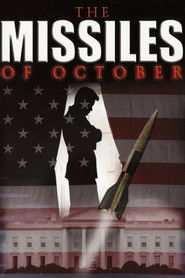
star 8.8The Missiles of October is a 1974 docudrama made-for-television play about the Cuban missile crisis. The title evokes the book The Guns of August by Barbara Tuchman about the missteps among the great powers and the failed chances to give an opponent a graceful way out, which led to the First World War. The teleplay introduced William Devane as John F. Kennedy and cast Martin Sheen as United States Attorney General Robert F. Kennedy. The script is based on Robert Kennedy's book Thirteen Days: A Memoir of the Cuban Missile Crisis.For Queen and Country
1979
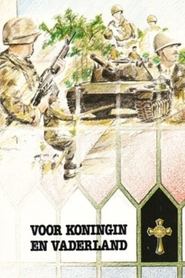
star 6.5Voor koningin en vaderland (English: For Queen and Country) is a 1979 Dutch television miniseries created and written by Erik Hazelhoff Roelfzema and Gerard Soeteman, and directed by Paul Verhoeven. The four-part serial is an extended version of Verhoeven's 1977 film Soldaat van Oranje (Solider of Orange). During World War II, Leiden students–among them Erik, Guus, Jan, Alex and Robby–collaborate and/or join the resistance movement against the German occupation of the Netherlands.The Alien Years
1988
The Alien Years
1988
star 8The Alien Years is a three-part miniseries that first aired on the Australian Broadcasting Corporation on 19 April 1988. It was directed by Donald Crombie and written by Peter Yeldham. It stars Victoria Longley, John Hargreaves and Academy Award-winner, Christoph Waltz. Yeldham later adapted his screenplay into a novel of the same name.Full Metal Daemon Muramasa
2021
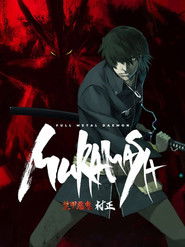
Since time immemorial, warriors called musha have ruled the battlefield, granted supernatural power by their enchanted suits of armor - tsurugi. Kageaki Minato is one such musha, driven by duty to don his crimson armor and challenge the greatest evils of an age. But though madmen and tyrants fall to his blade, never will he claim that his battle is right. For the tsurugi he wields is cursed Muramasa, which five centuries ago brought ruin to the land, and innocent blood is the price it demands in exchange for its terrible might. "Where there are demons, I slay them. Where there are saints, I slay them." These words are an oath, the unbreakable Law binding him to his armor. But they also tell the story of his past, and of the future to come. Rooted in traditional warrior philosophy and packed full of action, drama, and humor