War Politics TV Series - Page 75

Decisive Battles
2004
Decisive Battles
2004
star 8.3Decisive Battles was a television show on the History Channel that depicted historic battles. It ran for thirteen episodes in mid-2004. The show used the game engine from Rome: Total War to present 3-D versions of the battles. The show was hosted by Matthew Settle, who usually traveled to the sites of the battle. Reruns of the show air on the History International channel and the Military History channel.The Alsatians or the two Mathilde
1996
star 8.3The history of four generations of a family in Alsace between 1870 and 1953. Over this time, the family and the villagers live through three wars between France and Germany and their province changes its affiliation between these countries four times. The governors from both sides do not always respect the culture and the feelings of Alsatians.Dead Pool
1997
Dead Pool
1997
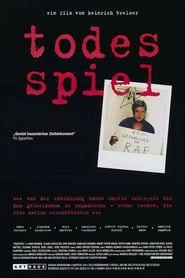
star 5.4Docudrama in two parts, based on the abduction of the president of the employer's association of Germany, Hanns Martin Schleyer, by the Baader-Meinhof gang in the Autumn of '77.Where the Wild Boars Go
1971
star 8.4It happens around Zagreb in 1941-1943, during World War II. Two groups of smugglers led by Crni Rok and Veriga, fight for supremacy on the black market. They also have to deal with the Germans, Ustashas, the police and communist illegals.Неоконченный бой
2020
Неоконченный бой
2020
The Price of Freedom
2011
The Price of Freedom
2011
star 4.3Mario, a member of the terrorist group ETA during Franco's dictatorship, drastically changes the course of his life when, with democracy in place, the organization decides to continue killing.铁血荣耀
2017
铁血荣耀
2017
No Way Back
1971
No Way Back
1971
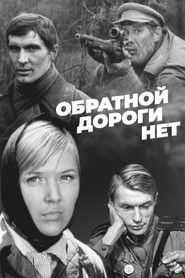
star 4.5In October 1943, Red Army Major Toporkov, after escaping a concentration camp, informs a partisan detachment about a planned uprising in the camp and the need for weapons. The commander sends two convoys: one with real weapons and another with fake ones to mislead the Germans, aware of a traitor in their ranks. The convoys navigate through Polesie, thickets, and swamps, pursued by German forces, with no return.Los desastres de la guerra
1983
star 7The painter Francisco de Goya is witness to the disasters and horrors caused by the bloody resistance of the Spanish people to the French occupation during the Napoleonic wars.远东阴谋
1996
远东阴谋
1996
浪花淘尽
2017
浪花淘尽
2017
军刺
2013
军刺
2013
怒放的青春
2018
怒放的青春
2018
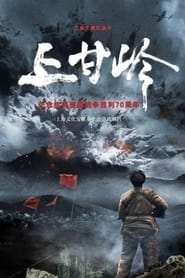
上甘岭
2024
上甘岭
2024
Paz
2008
Paz
2008
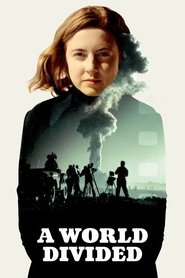
The life of a man from an aristocratic family that faces love and death during the Saltpeter War.A World Divided
2024
A World Divided
2024
star 6.5When World War II breaks out in 1939, several people from different countries and social backgrounds must decide which cause they want to defend.Border Guards
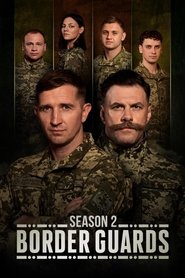
2024
Border Guards
2024
The events in the series begin in September 2021. Cadets enroll at the National Academy of the State Border Guard Service of Ukraine and meet their strict mentor, ATO hero Ivan Krynitsky. He senses that a large-scale war is about to break out in the country and, from the very first minute, begins to train the cadets not in a comfortable classroom, but on the training ground.Laisvės kaina. Partizanai
2017
The series tells about the three occupations and mass exterminations that took place in the middle of the last century, the Holocaust, the terror, the attempt to physically and spiritually crush Lithuania.Battle Flag
2012
Battle Flag
2012
During the "September 18th" Incident, the Kuomintang withdrew from North China, and the senior Kuomintang officer Jin Ge died and returned to Dong'an City, trying to pick up his mother and his newlywed wife Liu Wenting. However, the Japanese army has entered the city, Liu Wenting was forced to kill himself, and Jin Ge was arrested. The underground workers of our party rescued Jin Ge, hoping that he could go to the base area and use his military knowledge to fight against the Eighth Route Army.