Western TV Series - Page 9

Best of the West
1981
Best of the West
1981
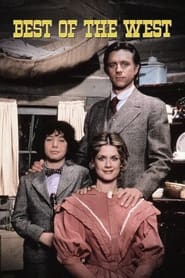
star 6.8An unwitting city slicker is made the marshal of a lawless town in this absurdist Western that pokes gentle but clever fun at the genre's stock plots and characters. Best of the West is an American sitcom that aired on ABC from September 1981 through August 1982.Django
2023
Django
2023
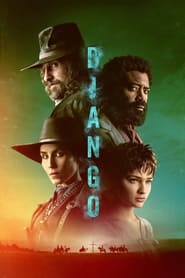
star 5.6In the Wild West in the 1860s and 1870s, Sarah and John have founded New Babylon, a city of outcasts of all backgrounds. Haunted by the murder of his family eight years earlier, Django is still looking for his daughter, believing she may have survived the killing. When Django shockingly finds her in Babylon, about to marry John, Sarah - now a grown woman - wants Django to leave fearing he'll put Babylon in jeopardy. But Django, believing the city is in danger, is adamant that he will not lose his daughter twice.Harts of the West
1993
Harts of the West
1993
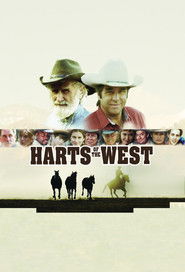
star 6.8Harts of the West is an American Western/comedy–drama series starring Beau Bridges and his father, Lloyd Bridges, set on a dude ranch in Nevada. The series aired on CBS from September 1993, to June 1994.Queen of Swords
2000
Queen of Swords
2000
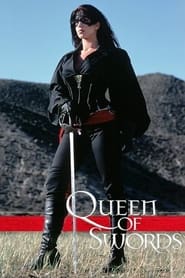
star 5.7Queen of Swords is an action–adventure television series set in California during the early 19th century that ran for one season, from 2000 to 2001. The series premiered October 7, 2000. After filming had been completed on 22 episodes and the first eight episodes were broadcast, the series was canceled.Broken Trail
2006
Broken Trail
2006
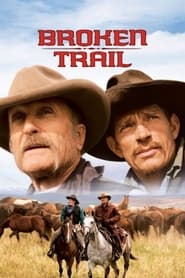
star 6.9The story is about an aging cowboy and his nephew who transport 500 horses from Oregon to Wyoming to sell them to the British Army. Along the way, their simple horse drive is complicated when they rescue five Chinese girls from a slave trader, saving them from a life of prostitution and indentured servitude. Compelled to do the right thing, they take the girls with them as they continue their perilous trek across the frontier, followed by a vicious gang of killers sent by the whorehouse madam who originally paid for the girls. Broken Trail weaves together two historical events: the British buying horses in the American West in the late 19th century and Chinese women being transported from the West Coast to the interior to serve as prostitutes.Casey Jones
1957
Casey Jones
1957
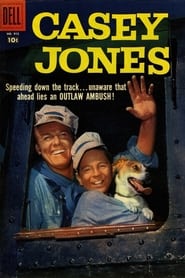
star 5.8Television version of the classic train story of Casey Jones, the engineer of the steam-engine powered "Cannonball Express".Lonesome Dove: The Outlaw Years
1995
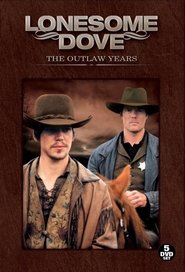
star 6.1"Lonesome Dove: The Outlaw Years" begins two years after the end of "Lonesome Dove". After two years spent bounty hunting, womanizing, and drinking away the painful memories of his late wife, Hannah, Newt Call returns to town to find many things have changed. His brother-in-law, Austin, is now an alcoholic sheriff, who has never fully recovered from his beloved sister's death, and blames Call for it. His father-in-law, Josiah, is the town mayor, but hasn't been right in the head since Hannah died. The town is run under the iron fist of Clayton Mosby, who also cannot forget Hannah, who looked amazingly like his late wife, Mary. "The Lonesome Dove", the hotel opened in the mini-series by Ida Grayson, now belongs to Amanda Carpenter, a woman with a mysterious past and a determination on par with Clay Mosby's. Curtis Wells also gets a new gunsmith, a mysterious and feisty woman named Mattie Shaw.Comanche Moon
2008
Comanche Moon
2008
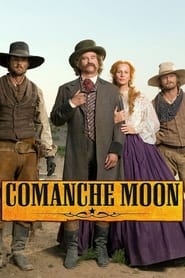
star 7.1Set in the rugged American frontier, Texas Rangers Woodrow Call and Gus McCrae confront Comanche warriors, ruthless outlaws, and the brutal realities of a lawless land, forging fierce friendships and enduring tragic romances as survival comes at a heavy personal cost.That Dirty Black Bag
2022
That Dirty Black Bag
2022
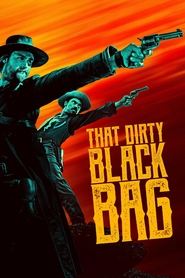
star 7.1The 8-day clash between Arthur McCoy — an incorruptible sheriff with a troubled past — and Red Bill, an infamous, solitary bounty hunter known for decapitating his victims and stuffing their heads into a dirty black bag.Lonesome Dove: The Series
1994
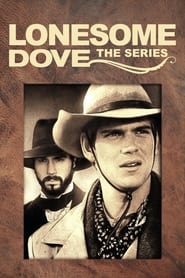
star 6.5Set in the small western town of Curtis Wells, Lonesome Dove: The Series follows first the romance and later the marriage of Newt Call and Hannah Peale, and the obsession that Clay Mosby, who owns most of the town, has with young Hannah, who looks remarkably like his late wife, Mary. In addition to the talented regular Canadian cast of Scott Bairstow, Christianne Hirt, and Eric McCormack, the show also featured the recurring players of Dennis Weaver as legend Buffalo Bill Cody, Diahann Carroll as innkeeper and widow Ida Grayson, Paul Johansson as newspaperman and family member Austin Peale, and Paul Le Mat as Hannah's father and the editor of the local paper.Return to Lonesome Dove
1993
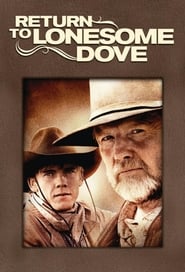
star 7After returning the body of Gus McCrae to Lonesome Dove, Woodrow Call takes on the challenge of driving a herd of wild mustangs 2500 miles north to the Hat Creek Ranch in Montana. But tragedy, triumph, despair and deceit will greet him before he ever gets there.Klondike
2014
Klondike
2014
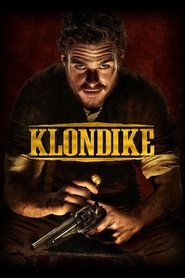
star 7.1The lives of two childhood best friends, Bill and Epstein, in the late 1890s as they flock to the gold rush capital in the untamed Yukon Territory. This man-versus-nature tale places our heroes in a land full of undiscovered wealth, but ravaged by harsh conditions, unpredictable weather and desperate, dangerous characters including greedy businessmen, seductive courtesans and native tribes witnessing the destruction of their people and land by opportunistic entrepreneurs.Tate
1960
Tate
1960
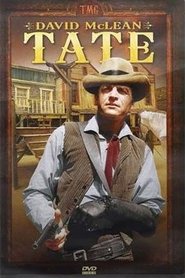
star 5.4Tate is an American Western television series that aired on NBC from June 8 until September 14, 1960. It was created by Harry Julian Fink, who wrote most of the scripts, and produced by Perry Como's Roncom Video Films, Inc., as a summer replacement for The Perry Como Show. Richard Whorf guest starred once on the series and directed the majority of the episodes. Ida Lupino directed one segment.Lucky Luke
2026
Lucky Luke
2026
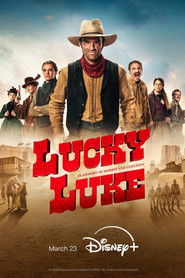
star 6.4Lucky Luke, the legendary lone cowboy, must team up with Louise, a fearless young woman searching for her missing mother. Together, they face the dangers of the Wild West, ally with old enemies like the Daltons or Billy the Kid - and learn to get along. This quest may reveal a far greater threat and lead Luke back to the origins of his legend.My Friend Flicka
1955
My Friend Flicka
1955
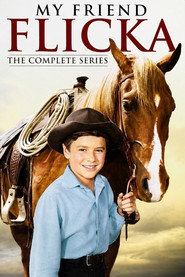
star 6.2My Friend Flicka is a 39-episode western television series set at the fictitious Goose Bar Ranch in Wyoming at the turn of the 20th century. The program was filmed in color but initially aired in black and white on CBS at 7:30 p.m. Fridays from February 10, 1956, to February 1, 1957. It was a mid-season replacement for Gene Autry's The Adventures of Champion. Both series, however failed in the ratings against ABC's The Adventures of Rin Tin Tin. After the initial Friday airing, viewers could still find the series on CBS Saturdays at 7 p.m. Eastern during March 1957, on Sundays at 6 p.m. from April to May 1957, and on Wednesdays at 7:30 p.m. from June to August 1957. NBC carried the program in color at 6:30 p.m. Sunday from September to December 1957 and at 7 p.m. Sunday from January to May 1958. In subsequent years, the series aired mostly on Saturday mornings on all networks. The Disney Channel ran it on Monday evenings in the mid-1980s. Over the years many viewers were unaware that the series produced episodes fThe Adventures of Spin and Marty
1955
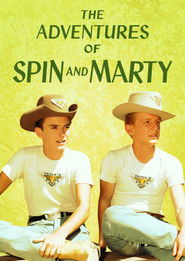
star 6.6Marty Markham, a rich orphan, attends summer camp at a dude ranch where he gradually learns to love outdoor life and becomes best friends with the popular Spin Evans.Valley of the Wild Roses
2006
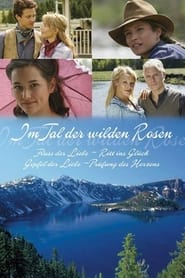
star 5.7The vast, unspoiled Valley of the Wild Roses, in the Canadian Rocky Mountains, is the scenery for separate stories of Western life, family drama and romance. People arrive, leave, return in search of love(rs), riches, redemption, revenge...The Californians
1957
The Californians
1957
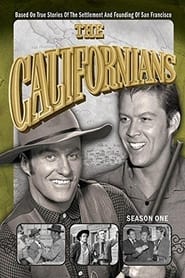
star 5.8San Franciscans during the goldrush of the 1850s attempt to maintain law and order in their wild city. Newly arrived Matthew Wayne becomes sheriff, then marshal, and organizes the city police force while expressing interest in the young widow Fanzler and sparring with attorney Pitt. Adam Kennedy appears as Dion Patrick, an Irish newspaperman who helps the local vigilante committee.Empire
1962
Empire
1962
star 7Empire is an hour-long Western television series set on a 1960s 500,000-acre ranch in New Mexico, starring Richard Egan, Terry Moore, Charles Bronson, and Ryan O'Neal. It ran on NBC from September 25, 1962, to May 14, 1963. In the second abbreviated season, from September 24 to December 31, 1963, it was renamed Redigo after Egan's title character, Jim Redigo, the general manager of the fictitious Garrett ranch in Empire, and reduced to a half-hour. (Unaired Pilot: This Rugged Land)Damnation
2017
Damnation
2017
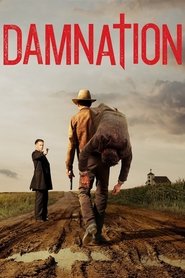
star 6.9Seth Davenport is masquerading as a small town Iowa preacher in the hopes of starting a full-blown insurrection against the status quo, unaware that an industrialist tycoon has hired a professional strikebreaker to stop the uprising by any means necessary. An epic saga of the secret history of the 1930’s American heartland, chronicling the mythic conflict and bloody struggle between big money and the downtrodden, God and greed, charlatans, and prophets.