Documentary TV Series - Page 5

Scoop
2005
Scoop
2005
star 7.2Scoop is a comprehensive information programme of Television Broadcasts Limited. The content of the program is mainly based on entertainment news and personal follow-up of the artists, and will also be interspersed with the latest trends of TVB dramas and artists. Some entertainment news content clips will be rebroadcast on the next day's "Entertainment Live". This program will be broadcast on Jade Channel from 19:30-20:00 (Hong Kong time) from June 6, 2005, and will be broadcast every day from March 3, 2019, and will be broadcast on myTV (later myTV SUPER) to provide "Program Review".30 for 30
2009
30 for 30
2009
star 7.530 for 30 is the title for a series of documentary films airing on ESPN, its sister networks, and online highlighting interesting people and events in sports history. This currently includes four "volumes" of 30 episodes each, a 13-episode series under the ESPN Films Presents title in 2011–2012, and a series of 30 for 30 Shorts shown through the ESPN.com website. The series has also expanded to include Soccer Stories, which aired in advance of the 2014 FIFA World Cup, and audio podcasts. This entry refers to the main Volumes of the series presented by ESPNCMT Crossroads
2002
CMT Crossroads
2002
star 8Country music stars collaborate with performers from other musical genres and exchange stories about their mutual love for music.Being The Elite
2016
Being The Elite
2016
star 6.2The Young Bucks, Matt & Nick Jackson, along with Kenny "The Cleaner" Omega, make up The ELITE. Follow our adventures as WE RULE THE WORLD and dominate the professional wrestling business.Cutting Edge
1990
Cutting Edge
1990
star 7The flagship documentary series show distinctive, compelling films that offer a snapshot of life in Britain today.無綫大寶藏
2005
無綫大寶藏
2005
Quarks
1993
The Wonderful Machine
1990
star 10A long journey in 8 episodes to discover the human body, with Piero Angela who closely observes our organism, focusing each time on a theme: the eye, the ear, taste and smell, the stomach and the intestine, liver, bones, lungs and heart. How does our "wonder machine" work? To make each explanation direct and clear, the program uses films, animations and photographs developed with the scanning electron microscope.Dispatches
1987
Dispatches
1987
star 6.5An in-depth look at news stories. Documentaries that take you behind the scenes giving an insight into people's lives or institutions.Fun Abroad: 3D2N
2014
Fun Abroad: 3D2N
2014
star 10Fun Abroad: 3D2N is a tourism project. In the early days, it was characterized by a tight schedule and a high degree of freedom to participate in impromptu activities. It's also focused on getting new owners to try and experience more "firsts."This Is Your Life
1955
This Is Your Life
1955
star 6.7This is Your Life is a British biographical television documentary, based on the 1952 American show of the same name. It was hosted by Eamonn Andrews from 1955 until 1964, and then from 1969 until his death in 1987 aged 64. Michael Aspel then took up the role of host until the show ended in 2003. It returned in 2007 as a one-off special presented by Trevor McDonald, which to date was its most recent airing. In the show the host surprises a special guest, before taking them through their life with the assistance of the 'big red book'. Both celebrities and non-celebrities have been 'victims' of the show. The show was originally broadcast live, and over its run it has alternated between being broadcast on the BBC and on ITV.Welcome to Wrexham
2022
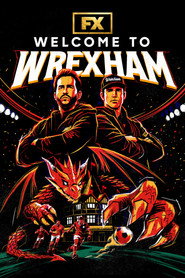
Welcome to Wrexham
2022
star 7.8Documentary series tracking the dreams and worries of Wrexham, a working-class town in North Wales, UK, as two Hollywood stars (Rob McElhenney and Ryan Reynolds) take ownership of the town’s historic yet struggling football club.Ulisse - The Pleasure of Discovery
2001
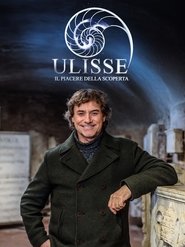
star 9.2Alberto Angela leads the dissemination program dedicated to history, art and culture. A historical, archaeological, informative story, with the presence of some protagonists of the Italian cultural or artistic scene.Westpol
2010
Westpol
2010
Antiques Roadshow
1979
Antiques Roadshow
1979
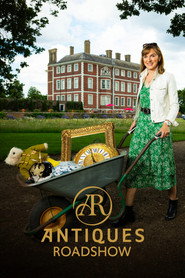
star 6.7Antiques Roadshow is a British television show in which antiques appraisers travel to various regions of the United Kingdom to appraise antiques brought in by local people. It has been running since 1979. There are also international versions of the programme.On the Case with Paula Zahn
2009
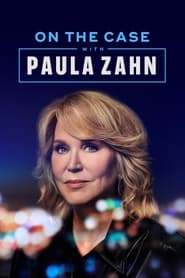
star 8.3Award winning journalist Paula Zahn unravels shocking crimes interviewing those closest to the case including lawyers, the victim's family, detectives and the convicted murderer themselves.Globo Repórter
1973
Globo Repórter
1973
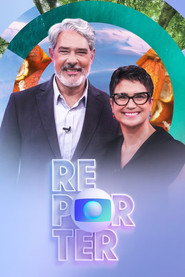
star 6.5This show addresses issues related to the Brazilian way of life, highlighting matters such as health, education, work and nature.National Geographic Explorer
1985
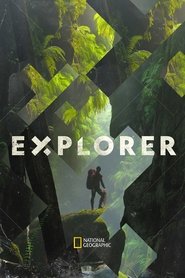
star 6National Geographic's Explorer gives viewers special access to the issues of the day.Les docs conso
2008