New War TV Series on Amazon Prime Video - Page 223
All Services
Free Services
 Netflix
 Amazon Prime Video
 Apple iTunes
 Apple TV Plus
 Disney Plus
 Google Play Movies
 Paramount Plus
 Hulu
Hulu
 HBO Max
 YouTube
 fuboTV
 Peacock
 Peacock Premium
 Amazon Video
 The Roku Channel
 AMC+
AMC on Demand
AMC+
AMC on Demand
 Kocowa
 Hoopla
 The CW
 Vudu
Vudu
 Starz
Starz
 Showtime
 PBS
PBS
 Pantaflix
 FXNow
FXNow
 Tubi TV
 Kanopy
 Comedy Central
 Crunchyroll
 Microsoft Store
 Redbox
 Sun Nxt
 ABC
ABC
 DIRECTV
 Crackle
 Fandor
 Plex
Plex
Netflix
Amazon Prime Video
Apple iTunes
Apple TV Plus
Disney Plus
Google Play Movies
Paramount Plus
Hulu
HBO Max
YouTube
fuboTV
Peacock
Peacock Premium
Amazon Video
The Roku Channel
AMC+
AMC on Demand
Kocowa
Hoopla
The CW
Vudu
Starz
Showtime
PBS
Pantaflix
FXNow
Tubi TV
Kanopy
Comedy Central
Crunchyroll
Microsoft Store
Redbox
Sun Nxt
ABC
DIRECTV
Crackle
Fandor
Plex

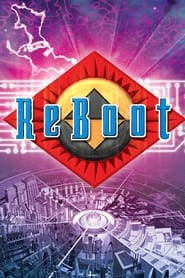
ReBoot
1994
ReBoot
1994
star 7.4Bob, a guardian from the Super Computer, helped by his friends Dot, Enzo, and dog Frisket, defend the digital city of Mainframe from evil computer viruses that seek to dominate the city and infect the entire net.The Tales of Para Handy
1994
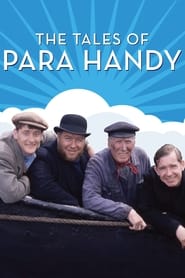
star 7.5The Tales of Para Handy is a Scottish television series set in the western isles of Scotland in the 1930s, based on the Para Handy books by Neil Munro. It starred Gregor Fisher as Captain Peter "Para Handy" MacFarlane, Sean Scanlan as first mate Dougie Cameron, Rikki Fulton as engineer Dan Macphail and Andrew Fairlie as Sunny Jim. These four made up the crew of the puffer 'Vital Spark' which was employed by the Campbell Shipping Company, headquartered in Glasgow and run by Andrew CampbellWycliffe
1994
Wycliffe
1994
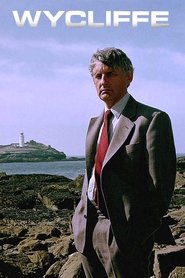
star 6.8Wycliffe is a British television series, based on W. J. Burley's novels about Detective Superintendent Charles Wycliffe. It was produced by HTV and broadcast on the ITV Network, following a pilot episode on 7 August 1993, between 24 July 1994 and 5 July 1998. The series was filmed in Cornwall, with a production office in Truro. Music for the series was composed by Nigel Hess and was awarded the Royal Television Society award for the best television theme. Wycliffe is played by Jack Shepherd, assisted by DI Doug Kersey and DI Lucy Lane. Each episode deals with a murder investigation. In the early series, the stories are adapted from Burley's books and are in classic whodunit style, often with quirky characters and plot elements. In later seasons, the tone becomes more naturalistic and there is more emphasis on internal politics within the police.Iria: Zeiram the Animation
1994
star 8.1Iria is the story of a girl and the Alien being she loves to hate. The series begins with her brother, Gren, taking a job. He is a bounty hunter, and one well known for his incredible skill. Iria, being a skilled apprentice bounty hunter herself, tags along. What is the job, one might ask. It is to find out what has happened to the crew and cargo of a Space Station. Needless to say, nothing is as it seems, and the war between Iria and Zeiram begins in earnest.The Dwelling Place
1994
The Dwelling Place
1994
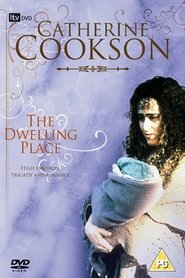
star 7Set in the 1830s, the story of 16-year-old Cissie Brodie after the death of parents and the repossession of the family home. She finds a barren place to live and care for her younger brothers and sisters with the help of Matthew, a local carpenter, but her life becomes complicated when the aristocratic Fischel family take an unwelcome interest.A Skirt Through History
1994
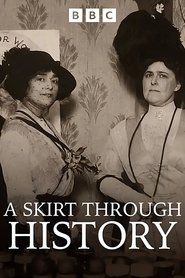
star 1A lesbian Don Juan, a suffragette and a 17th-century Italian painter are just two of ten remarkable women who speak to us in this drama documentary - an intimate portrait of their lives and a woman's view of history.World War II: When Lions Roared
1994
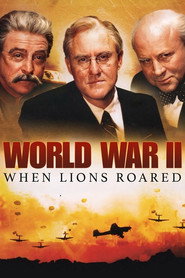
star 6.8A 1994 war television miniseries which portrays Roosevelt, Churchill, and Stalin as they maneuver their countries through several of the major events of World War II - such events include the Blitz, Operation Barbarossa, the bombing of Pearl Harbor, the North African Campaign, the Allied invasion of Italy, and concluding with the Tehran Conference.The Cinder Path
1994
The Cinder Path
1994
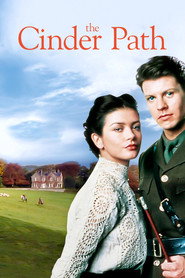
star 6.6In a heroic journey of epic proportions, everyman Charlie McFell wrestles with his demons — including a coldhearted wife, economic hardship, the horror of the world's first Great War, and a painful secret he'd rather forget.RoboCop: The Series
1994
RoboCop: The Series
1994
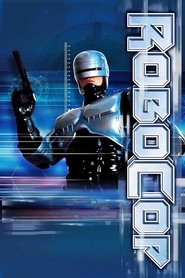
star 6.3RoboCop: The Series is a 1994 television series based on the film of the same name. It stars Richard Eden as the title character. Made to appeal primarily to children and young teenagers, it lacks the graphic violence that was the hallmark of RoboCop and RoboCop 2. RoboCop has several non-lethal alternatives to killing criminals, which ensures that certain villains can be recurring. The OCP Chairman and his corporation are treated as simply naïve and ignorant, in contrast to their malicious and immoral behavior from the second film onward.The Memoirs of Sherlock Holmes
1994
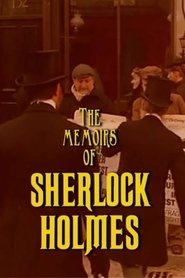
star 8.7In this thrilling final series starring Jeremy Brett as the famous 'consulting detective' Sherlock Holmes, six of Sir Arthur Conan Doyle's short stories are adapted: The Three Gables, The Dying Detective, The Golden Pince-Nez, The Red Circle, The Mazarin Stone, and The Cardboard Box.Time Team
1994
Time Team
1994
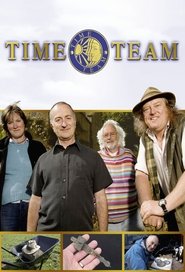
star 7.3Time Team is a British television series which has been aired on British Channel 4 from 1994. Created by television producer Tim Taylor and presented by actor Tony Robinson, each episode featured a team of specialists carrying out an archaeological dig over a period of three days, with Robinson explaining the process in layman's terms. This team of specialists changed throughout the series' run, although has consistently included professional archaeologists such as Mick Aston, Carenza Lewis, Francis Pryor and Phil Harding. The sites excavated over the show's run have ranged in date from the Palaeolithic right through to the Second World War.Middlemarch
1994
Middlemarch
1994
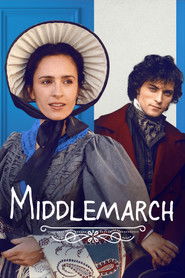
star 7.919th century Great Britain. The Industrial Revolution brings both the promise and fear of change. In the provincial town of Middlemarch, the progressive Dorothea Brooke desperately seeks intellectual fulfillment in a male-dominated society and is driven into an unhappy marriage to the elderly scholar Casaubon. No sooner do they embark on their honeymoon than she meets and develops an instant connection with Casaubon's young cousin, Will Ladislaw. When idealistic Doctor Lydgate arrives, his new methods of medicine sweep him into the battle between conservatives and liberals in town. He quickly becomes enamored of the beautiful, privileged Rosamond Vincy, a woman whose troubles seem bound to destroy him.Ancient Mysteries
1994
Ancient Mysteries
1994
star 7.5Ancient Mysteries is a television series that was produced by FilmRoos and originally broadcast on A&E between 7 January 1994 and 3 May 1998 with reruns airing until 2000. Reruns were also re-broadcast on The Biography Channel during the 2000s. The series deals with historical mysteries and is mostly hosted by Leonard Nimoy, which recalls the late-1970s TV series In Search Of ...The Serial Killers
1994
The Serial Killers
1994
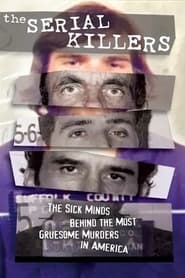
Through one-on-one interviews, this series captures the cold-blooded crimes of Ted Bundy and Henry Lee Lucas, as well as other murderers.Modern Marvels
1993
Modern Marvels
1993
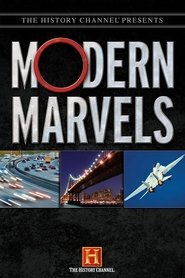
star 8.1HISTORY’s longest-running series moves to H2. Modern Marvels celebrates the ingenuity, invention and imagination found in the world around us. From commonplace items like ink and coffee to architectural masterpieces and engineering disasters, the hit series goes beyond the basics to provide insight and history into things we wonder about and that impact our lives. This series tells fascinating stories of the doers, the dreamers and sometime-schemers that create everyday items, technological breakthroughs and manmade wonders. The hit series goes deep to explore the leading edge of human inspiration and ambition.Return to Lonesome Dove
1993
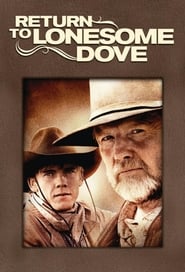
star 7After returning the body of Gus McCrae to Lonesome Dove, Woodrow Call takes on the challenge of driving a herd of wild mustangs 2500 miles north to the Hat Creek Ranch in Montana. But tragedy, triumph, despair and deceit will greet him before he ever gets there.The Nanny
1993
The Nanny
1993
star 8.1That flashy girl from Flushing with the heart of an angel (and the voice of a slighty more nasal angel). The comic misadventures of the sweet and sassy Fran Fine, her sophisticated employer, Broadway producer Mr. Sheffield, his boisterous brood and his wisecracking staff.Iron Chef
1993
Iron Chef
1993
star 7.2Iron Chef is a Japanese television cooking show produced by Fuji Television. The series, which premiered on October 10, 1993, is a stylized cook-off featuring guest chefs challenging one of the show's resident "Iron Chefs" in a timed cooking battle built around a specific theme ingredient. The series ended on September 24, 1999, although occasional specials were produced until 2002. The series aired 309 episodes. Repeats are regularly aired on the Cooking Channel in the United States and on Special Broadcasting Service in Australia. Fuji TV will air a new version of the show, titled Iron Chef, beginning in October 26, 2012.Acapulco H.E.A.T.
1993
Acapulco H.E.A.T.
1993
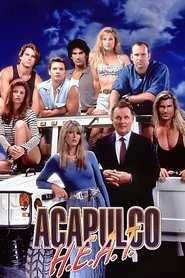
star 5.3Acapulco H.E.A.T. is a 1993 syndicated television series that followed the Hemisphere Emergency Action Team [H.E.A.T.], a group of top-secret agents based in Acapulco, Mexico and recruited by C-5, a secret government coalition, to fight terrorism and international crime. The team kept a low profile, by acting as models and photographers who represented a Beach Fashion enterprise.Harts of the West
1993
Harts of the West
1993
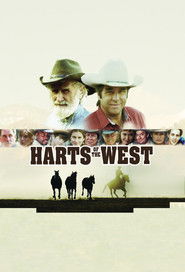
star 6.8Harts of the West is an American Western/comedy–drama series starring Beau Bridges and his father, Lloyd Bridges, set on a dude ranch in Nevada. The series aired on CBS from September 1993, to June 1994.