New Crime TV Series on Pantaflix - Page 463
All Services
Free Services
 Netflix
 Amazon Prime Video
 Apple iTunes
 Apple TV Plus
 Disney Plus
 Google Play Movies
 Paramount Plus
 Hulu
Hulu
 HBO Max
 YouTube
 fuboTV
 Peacock
 Peacock Premium
 Amazon Video
 The Roku Channel
 AMC+
AMC on Demand
AMC+
AMC on Demand
 Kocowa
 Hoopla
 The CW
 Vudu
Vudu
 Starz
Starz
 Showtime
 PBS
PBS
 Pantaflix
 FXNow
FXNow
 Tubi TV
 Kanopy
 Comedy Central
 Crunchyroll
 Microsoft Store
 Redbox
 Sun Nxt
 ABC
ABC
 DIRECTV
 Crackle
 Fandor
 Plex
Plex
Netflix
Amazon Prime Video
Apple iTunes
Apple TV Plus
Disney Plus
Google Play Movies
Paramount Plus
Hulu
HBO Max
YouTube
fuboTV
Peacock
Peacock Premium
Amazon Video
The Roku Channel
AMC+
AMC on Demand
Kocowa
Hoopla
The CW
Vudu
Starz
Showtime
PBS
Pantaflix
FXNow
Tubi TV
Kanopy
Comedy Central
Crunchyroll
Microsoft Store
Redbox
Sun Nxt
ABC
DIRECTV
Crackle
Fandor
Plex

Il ricatto
1989
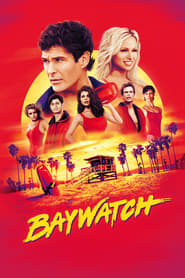
Baywatch
1989
Baywatch
1989
star 6Join the Baywatch lifeguards on their thrilling adventures filled with beautiful beaches and those iconic red swimsuits.Les jurés de l'ombre
1989
Les jurés de l'ombre
1989
The Justice Game
1989
The Justice Game
1989
star 10Criminal lawyer Dominic Rossi returns Glasgow and an unprovoked murder that leads to an investigation in to corruption at the hands of a Mr Big called Tim Forsythe.Nightsong of Splendor
1989
star 6.5The story takes place in old Tokyo, the Tokyo of August-September 1923. At this moment in time, the city is a mixture of extremes... past and present, rich and poor, good and bad. This is a city where we see both horsecarts and motorcars, swords and pistols, lords and businessmen. A wealthy woman from an upper-class family finds herself attracted to a handsome young man, Taka. He and his younger brother seem to be allied, perhaps not entirely willingly, with some of the city's criminal underground (Yakuza). The lady's lovely young maidservant, Sara, meets him too, and a conflict ensues which can only lead to tragedy, passion, and dishonor. But, as events move on, and the days pass, the viewer sees a terrible date coming closer... that unforgettable day of September 1, 1923, at 11:58, when the Great Kanto Earthquake and tidal wave struck Tokyo, causing the death of almost 100,000 people, one of the greatest disasters in human history.Lukas und Sohn
1989
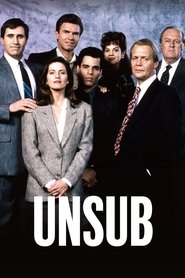
Unsub
1989
Unsub
1989
star 8.3Unsub is an American television series that aired on NBC from February 3 to April 14, 1989. The series centers around an elite FBI forensic team that investigates serial murderers and other violent crimes. Unsub is an abbreviation for the unknown subject of an investigation.Der Bastard
1989
Der Bastard
1989
star 8Paul David, computer expert and hacker, is caught in a international data network and is confronted with criminals operating behind the scenes of a worldwide organization, which uses the most modern communication technology for cleverly coordinated, criminal actions.Father Dowling Mysteries
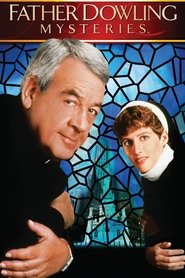
1989
star 7.4Father Dowling is a sleuthing parish priest from Chicago who investigates baffling crimesAgatha Christie's Poirot
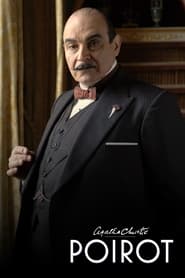
1989
star 8.2From England to Egypt, accompanied by his elegant and trustworthy sidekicks, the intelligent yet eccentrically-refined Belgian detective Hercule Poirot pits his wits against a collection of first class deceptions.Rust Roest
1989
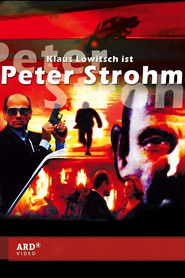
Peter Strohm
1989
Peter Strohm
1989
star 6.8Peter Strohm is a private detective with radical methods. His work begins where police work ends; he takes on sensitive cases that require a certain scale, or explosive situations that can lead to international crises.Crimes of the Century
1989
star 9Mike Connors hosted episodes devoted to re-enactment of peculiar or violent actual crimes, usually including interviews with people actually involved.Škola detektívky
1989
Škola detektívky
1989
Sunday, Half Past Six
1988
star 8Young lawyer Sergei Krasheninnikov is assigned to a case involving the death of a young woman. As he questions people who saw her on the day she died, Sergei begins to realize that there is much more to the story than meets the eye.Station 13
1988
Station 13
1988
Crying Freeman
1988
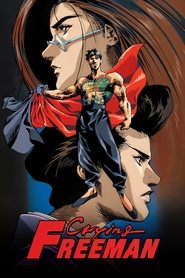
Crying Freeman
1988
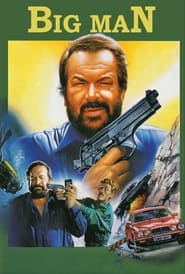
star 7.4Yo Hinomura was an ordinary Japanese potter when a run-in with a Chinese mafia changed his life forever. Now an assassin for the 108 Dragons, Yo is the perfect killing machine. As a sign for remorse over his victims, he sheds tears after eliminating his targets. Because of this, he is infamously known by the Dragons and every crime syndicate in the world as the "Crying Freeman."Big Man
1988
Big Man
1988
star 5.5The renowned Insurance International Co. has created an enquiry network, headed by detective Jack Clementi, to defend itself against insurance fraud. Jack has saved the company enormous amounts of money throughout his successful investigations and his bosses are more than willing put up with his brusque manners, his disconcerting frankness, and his intolerance for any form of company bureaucracy. Yet he is a big guy with a huge heart.Paparoff
1988
Paparoff
1988