New Comedy TV Series on Tubi TV - Page 49
All Services
Free Services
 Netflix
 Amazon Prime Video
 Apple iTunes
 Apple TV Plus
 Disney Plus
 Google Play Movies
 Paramount Plus
 Hulu
Hulu
 HBO Max
 YouTube
 fuboTV
 Peacock
 Peacock Premium
 Amazon Video
 The Roku Channel
 AMC+
AMC on Demand
AMC+
AMC on Demand
 Kocowa
 Hoopla
 The CW
 Vudu
Vudu
 Starz
Starz
 Showtime
 PBS
PBS
 Pantaflix
 FXNow
FXNow
 Tubi TV
 Kanopy
 Comedy Central
 Crunchyroll
 Microsoft Store
 Redbox
 Sun Nxt
 ABC
ABC
 DIRECTV
 Crackle
 Fandor
 Plex
Plex
Netflix
Amazon Prime Video
Apple iTunes
Apple TV Plus
Disney Plus
Google Play Movies
Paramount Plus
Hulu
HBO Max
YouTube
fuboTV
Peacock
Peacock Premium
Amazon Video
The Roku Channel
AMC+
AMC on Demand
Kocowa
Hoopla
The CW
Vudu
Starz
Showtime
PBS
Pantaflix
FXNow
Tubi TV
Kanopy
Comedy Central
Crunchyroll
Microsoft Store
Redbox
Sun Nxt
ABC
DIRECTV
Crackle
Fandor
Plex

It's a Living
1980
It's a Living
1980
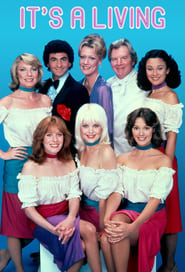
star 6It's a Living is an American sitcom set in a restaurant at the top of the Bonaventure Hotel in Los Angeles. The show aired on ABC from October 30, 1980 until June 11, 1982. After the series was cancelled, new episodes aired in first-run syndication from September 28, 1985 to April 8, 1989. The series was created by Stu Silver, Dick Clair and Jenna McMahon, and produced by Witt/Thomas Productions, later in association with Golden West Television and Lorimar-Telepictures.Fridays
1980
Fridays
1980
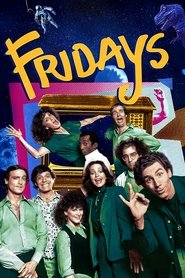
star 6Fridays is the name of ABC's weekly late-night live comedy show, which aired on Friday nights from April 11, 1980 to April 23, 1982.The Tim Conway Show
1980
The Tim Conway Show
1980
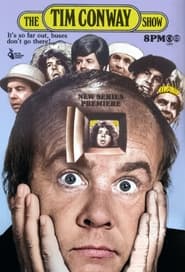
star 7.7A variety/sketch comedy television series. Tim Conway hosted a variety show so closely modeled on the successful Carol Burnett Show, even using some of the same sketches. Interpersed were dance routines where all the performers were youngsters and musical numbers.Flo
1980
Flo
1980
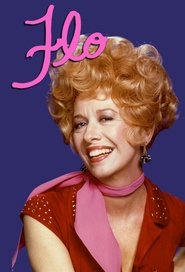
star 6Flo is an American sitcom which aired on CBS from 1980 to 1981. The series is a spin-off for Polly Holliday who portrayed the sassy and street-smart waitress Florence Jean "Flo" Castleberry on the sitcom Alice. Flo was cancelled at the end of its second season.Sanford
1980
Sanford
1980
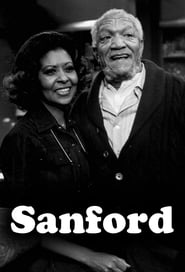
star 7Redd Foxx isn’t done scheming and wise-cracking in the spin-off to one of America's most beloved sitcoms.Tenspeed and Brown Shoe
1980
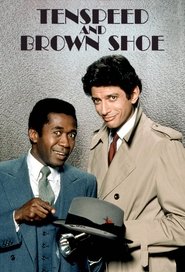
star 6.8Tenspeed and Brown Shoe is an American detective/comedy series originally broadcast by the ABC network between January and June 1980. The series was created and executive produced by Stephen J. Cannell.Only When I Laugh
1979
Only When I Laugh
1979
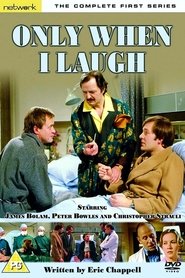
star 6.7Only When I Laugh is an ITV1 sitcom broadcast from 29 October 1979 to 16 December 1982 for four series with seven episodes each, and a Christmas special in 1981. The title is the answer to the question, "Does it hurt?" A naïve middle-class man is admitted to an NHS hospital ward, shared with a working-class layabout and an upper-class hypochondriac. The trio never fail to cause a nuisance for the poor, unsuspecting staff.Archie Bunker's Place
1979
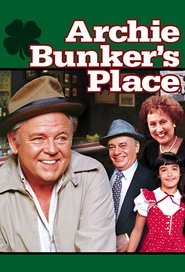
star 6.5Archie Bunker's Place is an American sitcom originally broadcast on the CBS network, conceived in 1979 as a spin-off and continuation of All in the Family. While not as popular as its predecessor, the show maintained a large enough audience to last for four seasons, until its cancellation in 1983. In its first season, the show performed so well that it knocked Mork & Mindy out of its new Sunday night time slot.The Facts of Life
1979
The Facts of Life
1979
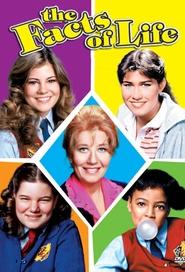
star 7.1Mrs. Edna Garrett, housemother and dietitian at the Eastland School, teaches a group of girls in her charge how to solve those problems that every teenager has to face.The Ropers
1979
The Ropers
1979
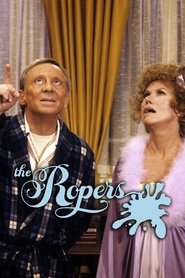
star 6.1A spin-off of Three's Company and based on the British sitcom George and Mildred, the series focuses on middle-aged couple Stanley and Helen Roper, who were landlords to Jack, Janet, and Chrissy on Three's Company.Diff'rent Strokes
1978
Diff'rent Strokes
1978
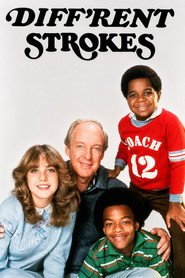
star 7.1The series stars Gary Coleman and Todd Bridges as Arnold and Willis Jackson, two African American boys from Harlem who are taken in by a rich white Park Avenue businessman named Phillip Drummond and his daughter Kimberly, for whom their deceased mother previously worked. During the first season and first half of the second season, Charlotte Rae also starred as the Drummonds' housekeeper, Mrs. Garrett.The Krofft Superstar Hour
1978
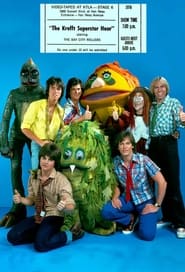
star 6The Krofft Superstar Hour is a Saturday morning children's variety show, produced by Sid and Marty Krofft. After eight episodes, the show was renamed The Bay City Rollers Show. It aired for one season from September 9, 1978 to November 28, 1979 on NBC.Fantasy Island
1978
Fantasy Island
1978
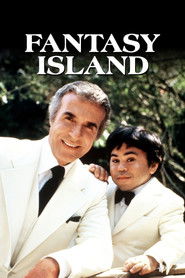
star 6.5A magical island hosted by Mr Roarke and Tattoo where weekly guests learn valuable life lessons in their pursuit of fulfilling their dreams. Not all dreams are fulfilled as expected.Soap
1977
Soap
1977
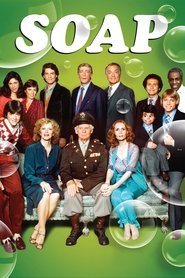
star 7.3The antics of a wealthy family, the Tates, and a working-class family, the Campbells, in the fictional town of Dunn's River, Connecticut.Curro Jiménez
1976
Curro Jiménez
1976
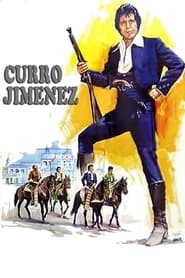
star 7.3Curro Jiménez was a successful Spanish TV series that aired on TVE1 from 22 December 1976 to 1979. Its main theme was Andalusian "bandolerismo" in the 19th century, located in the Ronda mountains. The main characters were four bandits, Curro JiménezC.P.O. Sharkey
1976
C.P.O. Sharkey
1976
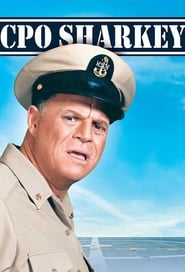
star 6.8C.P.O. Sharkey is an American sitcom which aired from 1976 to 1978 on NBC.Monster Squad
1976
Monster Squad
1976
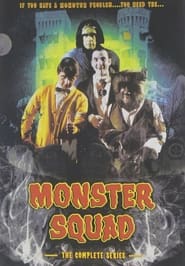
star 6Monster Squad is a television series that aired Saturday mornings on NBC from 1976-1977 that is unrelated to the later movie of the same name. The series stars Fred Grandy as Walt, a criminology student working as a night watchman at "Fred's Wax Museum". To pass the time, Walt built a prototype "Crime Computer" hidden in a large stone sarcophagus near an exhibit of legendary monsters. When Walt plugged in his computer, "oscillating vibrations" brought to life the wax statues of Dracula, the Wolfman who here was named "Bruce W. Wolf", and Frankenstein's Monster who was referred to as "Frank N. Stein" in the credits. The monsters, wanting to make up for the misdeeds of their pasts, became superhero crimefighters who used their unique abilities to challenge and defeat various supervillains. In most episodes, Walt would send the monsters out to investigate crimes and fight the villains while monitoring the activities from the wax museum via the Crime Computer, presumably because his job required him to be at the waxThe Scooby-Doo/Dynomutt Hour
1976
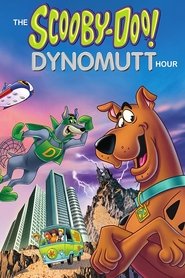
star 7.9The Scooby-Doo/Dynomutt Hour is a 60-minute package show produced by Hanna-Barbera Productions in 1976 for ABC Saturday mornings. It marked the first new installments of the cowardly canine since 1973, and contained the following segments: The Scooby-Doo Show and Dynomutt, Dog Wonder.What's Happening!!
1976
What's Happening!!
1976
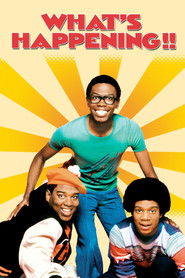
star 7.4Buddies Raj, Rerun and Dwayne come of age in 1970s Los Angeles. The trio have a penchant for mischief and trying to find ways of getting rich quick. Almost always the trio's schemes wind up getting them into trouble and it's up to Raj's mother Mabel to get them out of it. Also, half of the time, the guys get into trouble because of Raj's bratty sister Dee.One Day at a Time
1975
One Day at a Time
1975
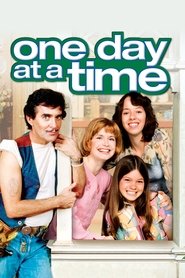
star 6.8The misadventures of a divorced mother, two teenage daughters, and new building superintendent in Indianapolis.