New Comedy TV Series on Tubi TV - Page 51
All Services
Free Services
 Netflix
 Amazon Prime Video
 Apple iTunes
 Apple TV Plus
 Disney Plus
 Google Play Movies
 Paramount Plus
 Hulu
Hulu
 HBO Max
 YouTube
 fuboTV
 Peacock
 Peacock Premium
 Amazon Video
 The Roku Channel
 AMC+
AMC on Demand
AMC+
AMC on Demand
 Kocowa
 Hoopla
 The CW
 Vudu
Vudu
 Starz
Starz
 Showtime
 PBS
PBS
 Pantaflix
 FXNow
FXNow
 Tubi TV
 Kanopy
 Comedy Central
 Crunchyroll
 Microsoft Store
 Redbox
 Sun Nxt
 ABC
ABC
 DIRECTV
 Crackle
 Fandor
 Plex
Plex
Netflix
Amazon Prime Video
Apple iTunes
Apple TV Plus
Disney Plus
Google Play Movies
Paramount Plus
Hulu
HBO Max
YouTube
fuboTV
Peacock
Peacock Premium
Amazon Video
The Roku Channel
AMC+
AMC on Demand
Kocowa
Hoopla
The CW
Vudu
Starz
Showtime
PBS
Pantaflix
FXNow
Tubi TV
Kanopy
Comedy Central
Crunchyroll
Microsoft Store
Redbox
Sun Nxt
ABC
DIRECTV
Crackle
Fandor
Plex

The Fenn Street Gang
1971
The Fenn Street Gang
1971
star 6.1The Fenn Street Gang is a British television sitcom which ran for three seasons between 1971 and 1973. The series was created by John Esmonde and Bob Larbey, it was spun-off from their Please Sir! series.The Hilarious House of Frightenstein
1971
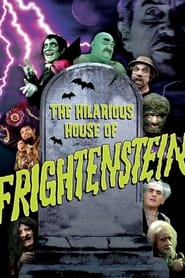
star 7.7The Hilarious House of Frightenstein, was a quirky Canadian sketch comedy TV series from the 1970s that included some genuine educational content among the humour. It featured the talented Billy Van, who played a variety of characters, Fishka Rais played the role of Igor, Guy Big brought Count Munchkinstein to life, and the legendary Vincent Price made special guest appearances as The Host who would start each episode with: “Another lovely day begins, for ghosts and ghouls with greenish skin. So close your eyes and you will find that you’ve arrived in Frightenstein. Perhaps the Count will find a way to make his monster work today. For if he solves this monster-mania, he can return to Transylvania! So welcome where the sun won’t shine, to the castle of Count Frightenstein!”Lidsville
1971
Lidsville
1971
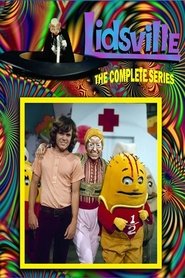
star 5.4Lidsville is Sid and Marty Krofft's third television show following H.R. Pufnstuf and The Bugaloos. As did its predecessors, the series combined two types of characters: conventional actors in makeup filmed alongside performers in full mascot costumes, whose voices were dubbed in post-production. Seventeen episodes aired on Saturday mornings for two seasons, 1971–1973. The opening was shot at Six Flags Over Texas.Doctor at Large
1971
Doctor at Large
1971
star 5Doctor at Large is a British television comedy series based on a set of books by Richard Gordon about the misadventures of a group of newly qualified doctors. The series follows directly from its predecessor Doctor in the House, and was produced by London Weekend Television in 1971. Writers for the Doctor at Large episodes were Bill Oddie, Graeme Garden, John Cleese, Graham Chapman, Bernard McKenna, Geoff Rowley, Andy Baker, Jonathan Lynn and David Yallop, as well as George Layton.Celebrity Bowling
1971
Celebrity Bowling
1971
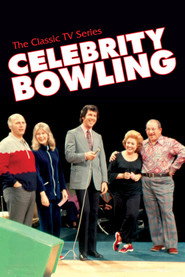
star 9Celebrity Bowling was an American syndicated sports series hosted by Jed Allan that ran from January 16, 1971 to September 1978. The series was produced in Los Angeles at Metromedia Square, the studios of KTTV. Each week, the show featured four celebrities, on a pair of AMF or Brunswick lanes installed inside KTTV's studios, pitted against each other in teams of two. Victorious teams won prizes for studio audience members based upon the level of winning scores. The weekly series was a by-product of The Celebrity Bowling Classic, a 90-minute TV special produced in 1969 for the Metromedia-owned stations, benefitting the Joseph P. Kennedy, Jr. Foundation. Joe Siegman created the series, and he and Don Gregory produced 144 episodes for their 7-10 Productions.All in the Family
1971
All in the Family
1971
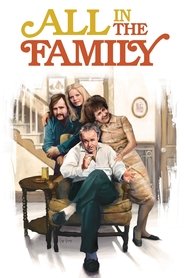
star 7.8Archie Bunker, a working class bigot, constantly squabbles with his family over the important issues of the day.The Great American Dream Machine
1971
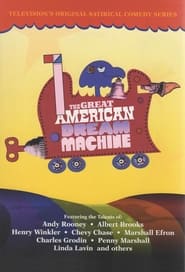
star 10The Great American Dream Machine was a weekly satirical variety television series, produced in New York City by WNET and broadcast on PBS from 1971 to 1973. The program was hosted by humorist and commentator Marshall Efron. The show centered around skits and satirical political commentary. The hour and a half long show usually contained at least seven different current event topics. In the second season, the show was trimmed down to an hour. Other notable cast members included Chevy Chase. Contributors included Albert Brooks and Andy Rooney. Some of the skits would later be revamped for the movie The Groove Tube. There were also occasional short films presented on the show, most of them "experimental" or documentaries about artistic endeavours. Some of these were subtitled.The Partridge Family
1970
The Partridge Family
1970
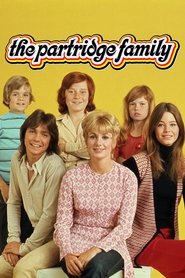
star 6.8The Partridge Family is an American television sitcom series about a widowed mother and her five children who embark on a music career.Make Room for Granddaddy
1970
star 7Make Room for Granddaddy is a sequel to the American TV series The Danny Thomas Show (also known as Make Room for Daddy). The series aired for one season on ABC between September 1970 and March 1971.The Best of Flip Wilson
1970
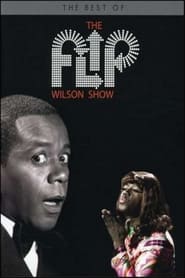
The best of the Flip Wilson variety show, a mix of skits, musical acts and famous guests.The Bugaloos
1970
The Bugaloos
1970
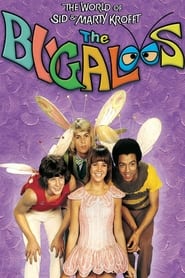
star 6.4The Bugaloos was an American children's television series, produced by brothers Sidney Krofft and Martin Krofft, that aired on NBC on Saturday mornings from 1970 to 1972. The show featured a musical group composed of four British-accented teenagers, who lived in fictional Tranquility Forest. They wore insect-themed outfits with antennae and wings which allowed them to fly, though on occasion, they were shown flying on surfboards. They were constantly beset by the evil machinations of Benita Bizarre, played by comedienne Martha Raye. Bizarre, being untalented and ugly herself, was covetous of the Bugaloos' musical prowess.Sesame Street
1969
Sesame Street
1969
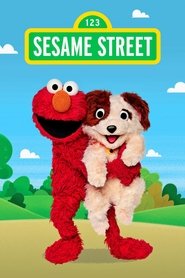
star 7.1On a special inner city street, the inhabitants—human and muppet—teach preschoolers basic educational and social concepts using comedy, cartoons, games, and songs.Scooby-Doo, Where Are You!
1969
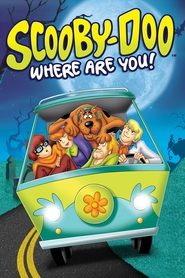
star 7.8Fred, Daphne, Velma, Shaggy, and the talking dog, Scooby-Doo, travel on the Mystery Machine van, in search of weird mysteries to solve.Doctor in the House
1969
The Glen Campbell Goodtime Hour
1969
star 6.8The Glen Campbell Goodtime Hour is an American network television music and comedy variety show hosted by singer Glen Campbell from January 1969 through June 1972 on CBS. He was offered the show after he hosted a 1968 summer replacement for The Smothers Brothers Comedy Hour. Campbell used "Gentle on My Mind" as the theme song of the show. The show was one of the few rural-oriented shows to survive CBS's rural purge of 1971.Please Sir!
1968
Please Sir!
1968
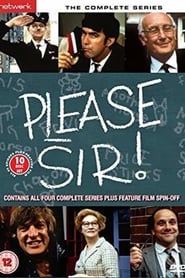
star 7A hapless but caring teacher tries to control his class of unruly kids. The teacher sees much good and potential in his pupils, much to the dismay of his fellow teachers who have lost hope in these kids.The Carol Burnett Show - The Lost Episodes
1968
"The Lost Episodes" is a collection of episodes that weren't ready for release. Time Life has brought them back for all to enjoy again. This series includes the debuts of long-running sketches like "As the Stomach Turns," "Carol and Sis," and "The Old Folks." And who can forget Tim Conway's first appearance on the show as the Oldest Man. Guests include Lucy, Bing, Phyllis, and Flip.The Doris Day Show
1968
The Doris Day Show
1968
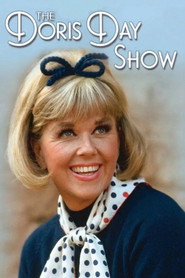
star 6.2The Doris Day Show is an American sitcom that was originally broadcast on the CBS network from September 1968 until March 1973, remaining on the air for five seasons and 128 episodes. In addition to showcasing Doris Day, the show is remembered for its many abrupt format changes over the course of its five-year run. It is also remembered for Day's statement, in her autobiography Doris Day: Her Own Story, that her husband Martin Melcher had signed her to do the TV series without her knowledge, a fact she only discovered when Melcher died of heart disease on April 20, 1968. The TV show premiered on Tuesday, September 24, 1968.Here's Lucy
1968
Here's Lucy
1968
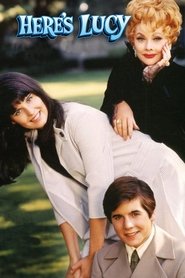
star 6.7Lucille Ball's third network sitcom, following I Love Lucy (1951–57) and The Lucy Show (1962–68).