Popular Animation TV Series - Page 222
All Services
Free Services
 Netflix
 Amazon Prime Video
 Apple iTunes
 Apple TV Plus
 Disney Plus
 Google Play Movies
 Paramount Plus
 Hulu
Hulu
 HBO Max
 YouTube
 fuboTV
 Peacock
 Peacock Premium
 Amazon Video
 The Roku Channel
 AMC+
AMC on Demand
AMC+
AMC on Demand
 Kocowa
 Hoopla
 The CW
 Vudu
Vudu
 Starz
Starz
 Showtime
 PBS
PBS
 Pantaflix
 FXNow
FXNow
 Tubi TV
 Kanopy
 Comedy Central
 Crunchyroll
 Microsoft Store
 Redbox
 Sun Nxt
 ABC
ABC
 DIRECTV
 Crackle
 Fandor
 Plex
Plex
Netflix
Amazon Prime Video
Apple iTunes
Apple TV Plus
Disney Plus
Google Play Movies
Paramount Plus
Hulu
HBO Max
YouTube
fuboTV
Peacock
Peacock Premium
Amazon Video
The Roku Channel
AMC+
AMC on Demand
Kocowa
Hoopla
The CW
Vudu
Starz
Showtime
PBS
Pantaflix
FXNow
Tubi TV
Kanopy
Comedy Central
Crunchyroll
Microsoft Store
Redbox
Sun Nxt
ABC
DIRECTV
Crackle
Fandor
Plex

Time Bokan Series: Gyakuten Ippatsuman
1982
star 10Gyakuten! Ippatsuman is the sixth in the Time Bokan series. In the 1990s-era Osteandel City is the headquarters of Time Lease, a business that leases almost everything you could ask for including powerful robots. They are proud of themselves for being number one in the international ranking of billionaires, for the past ten consecutive years. Meanwhile there is another lease company in the same city called Skull Lease where the notorious villain trio work as top executives. Their ostensible object is to disgrace the credit of Time Lease and replace them as the leading enterprise. In fact, however, they have a scheme to secure a footing for world conquest. One day a transport robot of Time Lease is assaulted by the villain trio and it is time for Ippatsuman to get on the move to fight for justice.A Bridge to the Starry Skies
2011
star 6.4Kazuma Hoshino moves to the beautiful countryside to take care of his little brother, Ayumu Hoshino. They ended up they getting lost on their way to the Japanese Inn.Boing the Play Ranger
2013
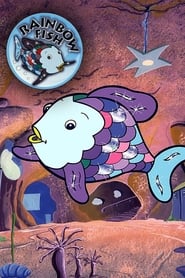
Adventures in the fun and colorful playground village of Playville, filled with lovable characters who can transform into playground rides.Rainbow Fish
2000
Rainbow Fish
2000
star 8Based on the popular books by Marcus Pfister, the animated series follows the adventures of a boy fish with glittering scales and his friends in the underwater Bay of Neptune.Men in Black: The Series
1997
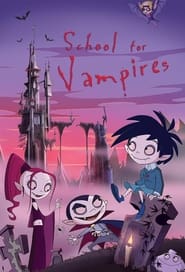
star 7.4A secret government organization made up of men provide intergalactic immigration services for Earth-bound aliens.School for Little Vampires
2007
star 9.1A vampire boy who can’t stand the sight of blood and who is, worst of all, in love with a human girl called Sunshine – the cards are stacked against Oskar, the vampire! His friends are shrill, charming, have names like Stoker, Gothetta, Klot, and Count Horrificus. All have one thing in common: They all are vampires and pupils.반지의 비밀일기
2017
반지의 비밀일기
2017
Love Stage!!
2014
Love Stage!!
2014
star 6.5Izumi was born in a family of celebrities. His father is a singer, his mother an artist, his older brother the lead vocalist for the popular band Crashers. Izumi himself, however, is just a nerdy college student. He loves the manga "Magical Girl Lala Lulu" and dreams of becoming a manga writer himself. One day he is roped into filming a commercial where he wears a dress. Another actor on the set, Ryoma Ichijo, mistakes him for a woman and falls in love at first sight. As it turns out, though, they met ten years in the past. And Ryoma feelings don't change when he finds out Izumi is a boy.Aria the Scarlet Ammo
2011
star 7.3In response to the worsening crime rate, Japan creates Tokyo Butei High, an elite academy where "Butei" or armed detectives hone their deadly skills in hopes of becoming mercenary-like agents of justice. One particular Butei is Kinji Tooyama, an anti-social and curt sophomore dropout who was once a student of the combat-centric Assault Division. Kinji now lives a life of leisure studying logistics in order to cover up his powerful but embarrassing special ability. However, his peaceful days soon come to an end when he becomes the target of the infamous "Butei Killer," and runs into an emotional hurricane and outspoken prodigy of the highest rank, Aria Holmes Kanzaki, who saves Kinji's life and demands that he become her partner after seeing what he is truly capable of.Huntik: Secrets & Seekers
2009
star 8.1Huntik: Secrets & Seekers is an Italian/American animated television series, begun in 2009, created and directed by Iginio Straffi. It was a co-production between Big Bocca Productions, a company owned by Richard McWilliam, CEO and owner of Upper Deck and Rainbow S.p.A. It acts like one of the spin-offs to the Winx Club series. All of the show's designs, animation and visual style were created in Italy, while the scriptwriting and original voice recording were done in the United States. It aired on The CW4Kids at 11:30am Eastern Standard Time on Saturdays. In Europe, the series used to air on Disney XD, and on CITV. In India, the series' first season aired on Disney XD in 2010. The series premiered on January 3, 2009, with one episode in the US and the first four episodes in Europe, making Jetix the home for premieres beyond the first episode. It was revealed in a magazine with the new season of the Winx Club, that the second season of Huntik would air in fall 2012 in the US. However, the second season began airingASSASSINS PRIDE
2019
ASSASSINS PRIDE
2019
star 6.8In the world only the aristocrats have the power to fight the monster - mana. Even though Melida Angel was born in an aristocracy and studies at an academy developing mana users, she has no mana. To find her talent for mana, Kufa Vampir was sent to be her tutor but at the same time, he was ordered to assassinate her if she has no talent for mana. He makes a cruel decision to assassinate her because he thinks that it is a wasted effort that people who have not any mana are working hard in this world... However, he asks her, "Do you want to try to entrust your life to me?" He is not as an assassin nor a tutor. He is someone betting on his pride as an assassin tutor, to show the world what Melida is capable of!Spawn
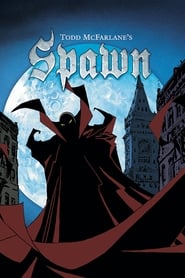
1997
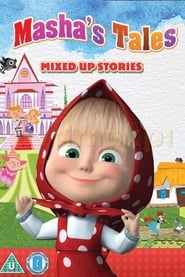
Masha's tales
2012
Masha's tales
2012
star 6Masha, it turns out, loves to tell stories! And she tells them, as would any child with creativity, a little in her own way - because children see the world, not as we, adults.Otherside Picnic
2021
Otherside Picnic
2021
star 6.8Friendless college girl Sorawo finds a door to another world one day — a strangely post-apocalyptic-feeling Otherside with serene emptiness, which becomes her new “special place.” There, she meets one other human, the beautiful and independent Toriko, and they explore the abandoned Otherside together.Triage X
2015
Triage X
2015
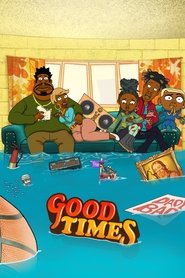
star 7.9Mochizuki General Hospital boasts some of the most well-trained nurses in town. But though these ladies spend much of their day battling sickness, their after-hours are spent fighting a very different sort of disease... Under the leadership of the hospital chairman, a handful of staff members and local teenagers form a group of mercenary assassins, targeting the "cancers" of society and excising those individuals before their wickedness spreads.Good Times
2024
Good Times
2024
star 5.5In this edgy, irreverent reimagining of the TV classic, a new generation of the Evans family keeps their heads above water in a Chicago housing project.Pipilu Rangers
2019
Pipilu Rangers
2019