Popular War Politics TV Series - Page 55
All Services
Free Services
 Netflix
 Amazon Prime Video
 Apple iTunes
 Apple TV Plus
 Disney Plus
 Google Play Movies
 Paramount Plus
 Hulu
Hulu
 HBO Max
 YouTube
 fuboTV
 Peacock
 Peacock Premium
 Amazon Video
 The Roku Channel
 AMC+
AMC on Demand
AMC+
AMC on Demand
 Kocowa
 Hoopla
 The CW
 Vudu
Vudu
 Starz
Starz
 Showtime
 PBS
PBS
 Pantaflix
 FXNow
FXNow
 Tubi TV
 Kanopy
 Comedy Central
 Crunchyroll
 Microsoft Store
 Redbox
 Sun Nxt
 ABC
ABC
 DIRECTV
 Crackle
 Fandor
 Plex
Plex
Netflix
Amazon Prime Video
Apple iTunes
Apple TV Plus
Disney Plus
Google Play Movies
Paramount Plus
Hulu
HBO Max
YouTube
fuboTV
Peacock
Peacock Premium
Amazon Video
The Roku Channel
AMC+
AMC on Demand
Kocowa
Hoopla
The CW
Vudu
Starz
Showtime
PBS
Pantaflix
FXNow
Tubi TV
Kanopy
Comedy Central
Crunchyroll
Microsoft Store
Redbox
Sun Nxt
ABC
DIRECTV
Crackle
Fandor
Plex

Фортеця
2025
Фортеця
2025
Cleopatra
1999
Cleopatra
1999
star 6.6Cleopatra, the famed Egyptian Queen born in 69 B.C., is shown to have been brought by Roman ruler Julius Caesar at age 18. Caesar becomes sexually obsessed by the 18 year old queen, beds her, and eventually has a son by her. However, his Roman followers and his wife are not pleased by the union. In fact, as Caesar has only a daughter by his wife, he had picked Octavian as his successor.Fath Al-Andalus
2022
Fath Al-Andalus
2022
star 8The story of the leader of the Umayyad Army, Tariq bin Ziyad, and his great conquests in the cities of Tangier, Ceuta and Toledo, all the way to the conquest of Andalusia, and his famous dispute with his commander Musa bin Nusair.Freedom at Midnight
2024
Freedom at Midnight
2024
star 8.2Freedom at Midnight is the electrifying story of India's struggle for independence. Based on the bestselling book of the same name, it recounts the partition of India and Pakistan, and the religious and socio-political dynamics of the era.There Will Be People
2020
There Will Be People
2020
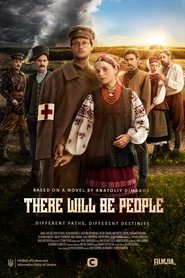
star 8.6The series is built in the form of saga and depicts the turbulent periods of the beginning of the 20th century through the eyes of ordinary people: the First World War, the revolution, the emergence of Soviet regime. Each of the characters faced the changes in their own way through their concept of truth. However, all of them shared fundamental desire to live, love and find their own place in the new era.Totems
2022
Totems
2022
star 6.4Set in 1965 in the midst of the Cold War, Totems follows a French scientist, Francis Mareuil, as he begins working as a spy. While working for the French Secret Service and the CIA, Mareuil meets Lyudmila Goloubeva, a pianist forced to work for the KGB. A romance blossoms between them but neither can be sure what is an expression of their true feelings, and what is the fruit of political shenanigans.Xạ Thủ Đua Tài
2019
Xạ Thủ Đua Tài
2019
Elfhame: The Cruel Prince
2026
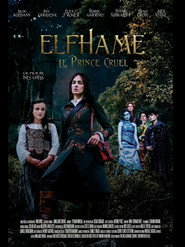
Jude is 17 years old and lives at the High Court of Domelfe in the kingdom of Terrafae. Kidnapped from the mortal world when she was just a child and raised alongside her sisters among the powerful folk, she has learned to protect herself from enchantments and to fight with a sword. Yet, day after day, she endures mockery and insults.X特工
2010
X特工
2010
铁血荣耀
2017
铁血荣耀
2017
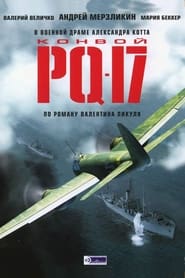
Convoy PQ-17
2004
Convoy PQ-17
2004
star 3.3On June 27, 1942, a caravan of ships, codenamed PQ-17, left Reykjavik for Arkhangelsk. The route of the ships with cargo for Russia lay across the North Atlantic, where they were awaited by chilling winds, stormy seas and deadly attacks by German submarines and bombers.TASS Is Authorized to Declare...
1984
star 6.9The struggle of Soviet and American intelligence agencies during the Cold War eraTanner '88
1988
Tanner '88
1988
star 6.9In 1988, renegade filmmaker Robert Altman and Pulitzer Prize–winning Doonesbury cartoonist Garry Trudeau created a presidential candidate, ran him alongside the other hopefuls during the primary season, and presented their media campaign as a cross between a soap opera and TV news. The result was the groundbreaking Tanner ’88, a piercing satire of media-age American politics.Life of a Mistress
2018
Life of a Mistress
2018
star 4.2Polina Lebedeva, daughter of the childless prince Alexei Petrovich Golovin, is the most enviable bride of the Yamburg district. During the ball in honor of her birthday, Alexei Petrovich dies of a heart attack. This grief is only the beginning of hard trials, destined for the girl ..Dogfights
2006
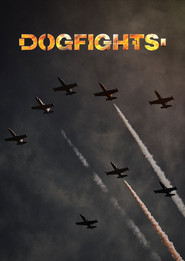
Dogfights
2006
star 7.9Dogfights is a military aviation themed TV series depicting historical re-enactments of air-to-air combat that took place in World War I, World War II, the Korean War, and the Vietnam War, as well as smaller conflicts such as the Gulf War and the Six-Day War. The program, which airs on the History Channel, consists of former fighter pilots sharing their stories of actual dogfights in which they took part, and uses computer-generated imagery to give the viewer a better perspective of what it is like to partake in aerial combat The series premiered on November 3, 2006.Beau Geste
1982
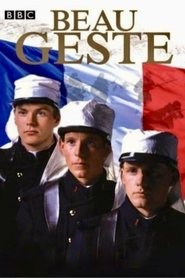
Beau Geste
1982
star 7Brothers Beau, John and Digby Geste join the Foreign Legion, where they fall under the rule of tyrannical Sergeant Markoff. Beau and John are assigned to Fort Zinderneuf, where Markoff tries to break their spirit, aware of a dark family secret concerning a fabulous jewel one of them carries. As tensions rise, Arabs attack the fort and rivalries must be thrown aside in a desperate battle for life.Hillary
2020
Hillary
2020
star 5.9A portrait of a public woman, interweaving moments from never-before-seen 2016 campaign footage with biographical chapters of Hillary Rodham Clinton's life. Featuring exclusive interviews with Hillary herself, Bill Clinton, friends, and journalists, an examination of how she became simultaneously one of the most admired and vilified women in the world.State Border
1980
State Border
1980
star 6.4From 1917 to the end of the 1980s, Soviet border guards are stationed on the territory of the USSR from the Far East to the western borders.Dates That Made History
2018
star 8.6Historian Patrick Boucheron revisits the most important dates in history through the prisms of memory and collective imagination.