Popular Animation TV Series on Pantaflix - Page 469
All Services
Free Services
 Netflix
 Amazon Prime Video
 Apple iTunes
 Apple TV Plus
 Disney Plus
 Google Play Movies
 Paramount Plus
 Hulu
Hulu
 HBO Max
 YouTube
 fuboTV
 Peacock
 Peacock Premium
 Amazon Video
 The Roku Channel
 AMC+
AMC on Demand
AMC+
AMC on Demand
 Kocowa
 Hoopla
 The CW
 Vudu
Vudu
 Starz
Starz
 Showtime
 PBS
PBS
 Pantaflix
 FXNow
FXNow
 Tubi TV
 Kanopy
 Comedy Central
 Crunchyroll
 Microsoft Store
 Redbox
 Sun Nxt
 ABC
ABC
 DIRECTV
 Crackle
 Fandor
 Plex
Plex
Netflix
Amazon Prime Video
Apple iTunes
Apple TV Plus
Disney Plus
Google Play Movies
Paramount Plus
Hulu
HBO Max
YouTube
fuboTV
Peacock
Peacock Premium
Amazon Video
The Roku Channel
AMC+
AMC on Demand
Kocowa
Hoopla
The CW
Vudu
Starz
Showtime
PBS
Pantaflix
FXNow
Tubi TV
Kanopy
Comedy Central
Crunchyroll
Microsoft Store
Redbox
Sun Nxt
ABC
DIRECTV
Crackle
Fandor
Plex

蓝猫淘气3000问之平安出行
2006
蓝猫淘气3000问之平安出行
2006
Sonic for Hire
2011
Sonic for Hire
2011
star 7.2Sonic is decipted in the series as a man out of a job and has a lack-of-income. So, Tails decides that he should earn money by working for third-party video games.Mondák a magyar történelemből
1986
Chapters of Hungarian history rooted in the world of fairy tales come to life in the frames of the series of cartoons produced under Marcell Jankovics' midwifery. Thanks to the episodes that provide a detailed account, we can follow the upheavals of the Hungarian people, get to know the often mentioned figures of the past - getting a clearer picture of the well-known and less mentioned legends and events. The stories seasoned with some humor are presented on the screen in the tasteful interpretation of Gábor Szabó Mádi.斗罗大陆合集篇
2018
斗罗大陆合集篇
2018
Yippee, Yappee and Yahooey
1964
star 5.5Yippee, Yappee and Yahooey is a Hanna-Barbera animated television series that premiered September 16, 1964. It was presented as a segment of The Peter Potamus Show, along with Breezly and Sneezly and Peter Potamus.Endevina Dragolina
2024
Endevina Dragolina
2024
Rayman: The Animated Series
1999
star 7.5Rayman: The Animated Series, or The Rayman TV Series, is a French 3-D animated children's television series featuring the French video game hero Rayman. Created by Ubisoft and based on the Rayman adventure game series, the show was originally in French but was dubbed into various languages for foreign countries. Ubisoft was able to produce only four episodes and never managed to broadcast its episodes in the United States.Thermae Romae
2012
Thermae Romae
2012
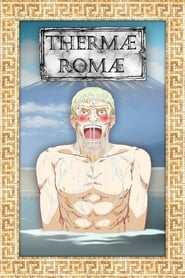
star 5.2The story is a comedy about Lucius, an architect of public bath houses in ancient Rome, who time-travels to various modern-day baths in Japan. The author explores the two cultures in the world "that have loved baths the most: the Japanese and the Romans."Rise Up, Sing Out
2022
Rise Up, Sing Out
2022
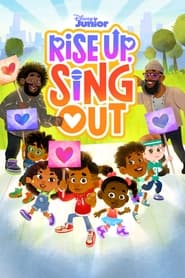
star 3.5Rise Up, Sing Out, that will consist of music-based shorts full of empowering messages about noticing and celebrating differences. The shorts are geared toward preschoolers and are designed to give parents a framework to start conversations about race and equality through music and relatable kid experiences.Chuggington Medaille Race
2010
Koko, Wilson and Brewster learn new skills and life lessons on their quest to earn various badges.The Mouse Factory
1972
The Mouse Factory
1972
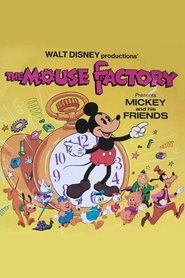
star 8.7The Mouse Factory is an American syndicated television series produced by Walt Disney Productions and created by Ward Kimball, that ran from 1972 to 1974. It showed clips from various Disney cartoons and movies, hosted by celebrity guests, including Johnny Brown, Charles Nelson Reilly, JoAnne Worley and many more, visiting the Disney studio and interacting with the walk-around Disney characters from the Disney Theme Parks. It was later re-run on the Disney Channel in the 1980s and '90s. The theme played over the previews of each episode was a fast instrumental version of "Whistle While You Work" from Snow White and the Seven Dwarfs. The song played over the end credits is "Minnie's Yoo Hoo", the theme song from the original Mickey Mouse Clubs that met in theaters starting in 1929. However, due to low ratings, the series was canceled after its second season.Yoshimaho: Yoshi Yoshi Magic
2021
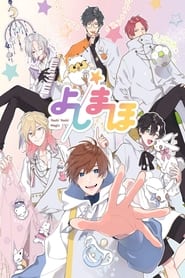
The protagonist is overworked and always exhausted by daily life, and yearns for comfort and solace. They want to be kindly praised and healed. They think, "Children have it nice because they're spoiled." The protagonist wants to escape from reality, and so they go to a store and purchase a blue pacifier. When they put the pacifier in their mouth, it emits a strange light, and it magically transports the protagonist to another world. The protagonist is now in the body of a five-year-old child, and spends time at a day care center where there are many handsome men who are caregivers there. The caregivers use the "There, There Magic" to soothe the children at the day care center.ケガレボシ
2026
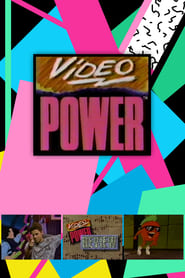
Video Power
1990
Video Power
1990
star 7Video Power is an American television series that aired in two different formats from 1990-1992 in syndication. Both formats revolved around video games, and actor Stivi Paskoski presided over both series playing video game master Johnny Arcade. Allen J. Bohbot was the co-creator and executive producer of Video Power with Saban Entertainment's executive producers, Shuki Levy, Haim Saban, & Winston Richards. The series was taped in New York at Kaufman Astoria Studios.Blame!
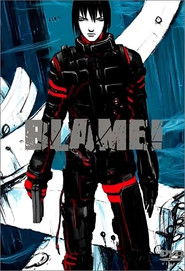
2003
Blame!
2003
star 6In the post-apocalyptic future, the earth is buried in an enormous megastructure created by machines. There is barely a trace of humanity and silicon beings run rampant. The last hope for mankind is information on a data disc from an engineer called Cibo.ABC Book
2020
ABC Book
2020
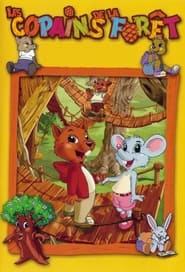
Forest Friends
2006
Forest Friends
2006
Forest Friends is an animated television series initially broadcast on TF1, and later rerun on French children's network TiJi. Along with the CGI series The Odd Family, this was one of the first shows produced by Timoon Animation. Several of the show's tie-in books have been written by Valérie Baranski, the screenwriter for another TF1 cartoon, The Bellflower Bunnies.Danger Rangers
2005
Danger Rangers
2005
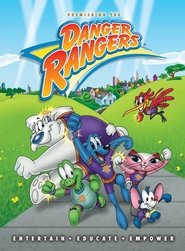
star 8.5Danger Rangers is a television program that aired on PBS. From September 2011 to September 2012, the show was re-aired on CBS and This TV as part of the Cookie Jar TV programming block. Six animal characters and a robot teach viewers the importance of safety with comedy, music, and action in half-hour educational cartoon adventures.JoNaLu
2010
JoNaLu
2010
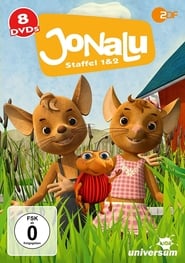
star 7.8JoNaLu is a German animated television series for young children. The main characters are a male mouse called Jojo, a female mouse called Naya and a ladybug called Ludwig.Another World
2019
Another World
2019
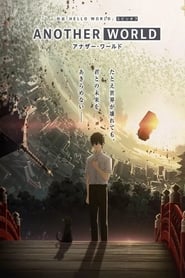
star 6Spin-off of the movie Hello World which is narrated from the point of view of the character of Naomi. The story is located 10 years in the future.