Popular Sci Fi Fantasy TV Series on Pantaflix - Page 383
All Services
Free Services
 Netflix
 Amazon Prime Video
 Apple iTunes
 Apple TV Plus
 Disney Plus
 Google Play Movies
 Paramount Plus
 Hulu
Hulu
 HBO Max
 YouTube
 fuboTV
 Peacock
 Peacock Premium
 Amazon Video
 The Roku Channel
 AMC+
AMC on Demand
AMC+
AMC on Demand
 Kocowa
 Hoopla
 The CW
 Vudu
Vudu
 Starz
Starz
 Showtime
 PBS
PBS
 Pantaflix
 FXNow
FXNow
 Tubi TV
 Kanopy
 Comedy Central
 Crunchyroll
 Microsoft Store
 Redbox
 Sun Nxt
 ABC
ABC
 DIRECTV
 Crackle
 Fandor
 Plex
Plex
Netflix
Amazon Prime Video
Apple iTunes
Apple TV Plus
Disney Plus
Google Play Movies
Paramount Plus
Hulu
HBO Max
YouTube
fuboTV
Peacock
Peacock Premium
Amazon Video
The Roku Channel
AMC+
AMC on Demand
Kocowa
Hoopla
The CW
Vudu
Starz
Showtime
PBS
Pantaflix
FXNow
Tubi TV
Kanopy
Comedy Central
Crunchyroll
Microsoft Store
Redbox
Sun Nxt
ABC
DIRECTV
Crackle
Fandor
Plex

Bless the Congressman
2027
A disgraced six-term congressman dies and returns as a ghost ten years in the past, where he schemes to use the only person who can see him, a low-level civil servant, to return to power in the National Assembly.Little Moonlight Rider
1999
Gekkou Kamen is retired on the moon, so his trusty motorbike returns to Earth to find a new hero to take over the job of defending the Earth from alien invaders.Hex Boyfriend
2023
Vice Versa
1981
Vice Versa
1981
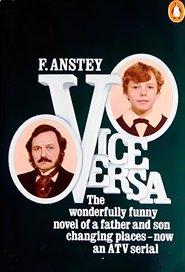
star 7Vice Versa is a seven-part series produced by ATV and based on a story published in 1882 by F. Anstey, the pseudonym of Thomas Anstey Guthrie. In contemporary Victorian London, a father and son switch places by means of a magic talisman from India, thus live each other's lives, and gain a better understanding for each other before they switch back.Blood and Bone China
2011
Blood and Bone China
2011
Blood and Bone China is a 12-part Gothic Victorian vampire web series. It was created and directed by award winning film-maker Chris Stone.SM Culture Universe: aespa
2021
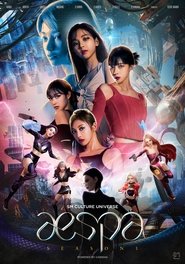
star 8.7Something evil is disrupting the real world. aespa and their avatars embark on a journey to the virtual realm: Kwangya.Pikaia
2015
Pikaia
2015
star 7In the future, Earth itself is no longer inhabitable by living creatures. Humans begin their interstellar migration with space colonies. Vince and Hana work as researchers in the Cambrian Project. Together with the creature Pikaia, they seek the Lost Code, the key to restoring Earth, and aim to return to Cambrian-era Earth.Høj
2024
Høj
2024
Aaryamaan : Brahmaand Ka Yoddha
2002
Aryamaan the warrior Prince will Save the people of Ariyana galaxy from all adverse situations.I Have Met a Shadow
1974
I Have Met a Shadow
1974
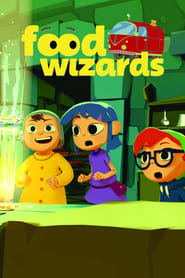
star 7The male protagonist falls in love with a very beautiful blonde woman and with a mysterious past who seems to be almost a ghost, a shadow.Food Wizards
2022
Food Wizards
2022
El punto frío
2018
El punto frío
2018
star 4.3Martín, a youth obsessed with paranormal phenomena, arrives in Chantada, a small village in Galicia, to investigate what he names “the cold spots.”Juuko Tokusou Dinnovator
2021
Juuko Tokusou Dinnovator, is a Japanese Tokusatsu web-television series created by AV company GIGA in homage to Toei's Metal Heroes series. The show airs exclusively on YouTube for all-ages, with its final episode being exclusively on an adults-only DVD and digital download.Santo Against The Clones
2004
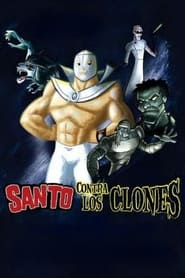
Set in Mexico City, the series follows the adventures of the eponymous wrestler in the role of a superhero who must try to stop the plans of Dr. Clone, an evil scientist. He is determined once again to kill him and creates clones based on his old enemies (thanks to their DNA), and use them to dominate the world.SpaceVets
1992
SpaceVets
1992
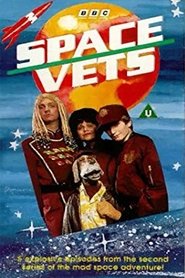
star 7.5Space Vets was a 39-episode children's sci fi show about a motley crew of misfit intergalactic space vets. The concept was devised by Stephen Edmondson and Jerome Vincent, but the characters were created by writer Christopher Middleton, and most of the 39 episodes written by him, too. Music for the series was produced by former Doctor Who composer Dominic Glynn.Suske en Wiske - De Poppenserie
1975
star 8After lengthy discussions with Willy Vandersteen, the artist of the comic strip, this series was put into production in 1973. This happened in collaboration with the Flemish actor and producer Wies Andersen. Instead of adaptations of the existing comics, six new stories were chosen. The puppets were given multiple facial expressions and the sets and props were made based on detailed designs by Studio Vandersteen. Lambik always acts as narrator. A striking difference with the comics is that Jerom's doll now has its eyes open.A Road to Gyllenbla!
1985
A Road to Gyllenbla!
1985
star 3.6Ratio Rasch, the president of planet Gyllenblå, has banned laughter and emotions in order to create a society based on reason. Police are constantly patrolling the planet and anyone caught laughing is imprisoned and given anti-laughter serum. Only a few members of an underground guerrilla oppose the president. On Earth, the eccentric Dr. Krull listens to signals from outer space and realizes that something needs to be done so he sends the two children Cecilie and Fredrik to Gyllenblå. Epicykel, a guerrilla member, senses their presence and hopes to get to them first but fails. The children are put in school, where Fredrik has great difficulty controlling his laughter but Cecilie adapts well. The guerrilla knows that laughter is contagious and Fredrik gives them new hope of returning laughter to the people of Gyllenblå.Dear Sir
2024
Dear Sir
2024
Abandoned by his mother as a child, Shen Lizhen harbors disdain for women and enjoys manipulating their emotions. However, a sudden twist of fate transforms him into a woman. This identity change allows Shen Lizhen to experience the challenges women face in the workplace, leading him to appreciate their strength and independence while shedding his prejudices. With his colleagues' support, he uncovers a rival's scheme and successfully reclaims control of the company.