Popular Documentary TV Series on Tub Tv - Page 395
All Services
Free Services
 Netflix
 Amazon Prime Video
 Apple iTunes
 Apple TV Plus
 Disney Plus
 Google Play Movies
 Paramount Plus
 Hulu
Hulu
 HBO Max
 YouTube
 fuboTV
 Peacock
 Peacock Premium
 Amazon Video
 The Roku Channel
 AMC+
AMC on Demand
AMC+
AMC on Demand
 Kocowa
 Hoopla
 The CW
 Vudu
Vudu
 Starz
Starz
 Showtime
 PBS
PBS
 Pantaflix
 FXNow
FXNow
 Tubi TV
 Kanopy
 Comedy Central
 Crunchyroll
 Microsoft Store
 Redbox
 Sun Nxt
 ABC
ABC
 DIRECTV
 Crackle
 Fandor
 Plex
Plex
Netflix
Amazon Prime Video
Apple iTunes
Apple TV Plus
Disney Plus
Google Play Movies
Paramount Plus
Hulu
HBO Max
YouTube
fuboTV
Peacock
Peacock Premium
Amazon Video
The Roku Channel
AMC+
AMC on Demand
Kocowa
Hoopla
The CW
Vudu
Starz
Showtime
PBS
Pantaflix
FXNow
Tubi TV
Kanopy
Comedy Central
Crunchyroll
Microsoft Store
Redbox
Sun Nxt
ABC
DIRECTV
Crackle
Fandor
Plex

是面包是空气是奇迹啊
2019
是面包是空气是奇迹啊
2019
So You Think You'd Survive?
2014
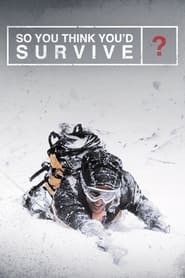
star 7.3Like it or not, people face life-or-death situations all the time. Potential survival in such scenarios can increase if someone knows what to do in certain situations. This hourlong show features experts that debate what to do in dire situations. Whether being caught in a mudslide, near a sinkhole or in the path of a tornado, the panel offers ideas that could help increase the chances of survival in worst-case scenarios.Criminels 2.0
2015
Hornby: A Model World
2021
star 6.2Going behind the scenes with one of Britain's best loved model-making companies. Hornby opens its doors to reveal how their dedicated team of designers strive to shrink a new generation of mighty machinesThe People v. The Klan
2021
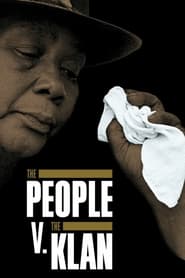
A four-part docuseries about the little-known true story of Beulah Mae Donald, a Black mother in Alabama, who took down the Ku Klux Klan after the brutal murder and lynching of her son, Michael. He was just nineteen years old and found dead, hanging from a tree in Mobile, on March 21, 1981. Black community leaders immediately suspected it was a Klan lynching, but local law enforcement was slow to acknowledge that the murder was racially motivated. When the investigation stalled, Beulah Mae and local Black leaders refused to back down until Michael’s killers and the hateful organization they belonged to received justice.This Wild Life
2015
This Wild Life
2015
star 2The cameras follow the lives of human and animal families living in Kenya’s Samburu National Reserve. They also follow the story of a safari camp run by wildlife expert Saba Douglas-Hamilton and an elephant conservation charity run by her husband Frank Pope.Nordens Herligste
2010
Bloodwork
2011
Bloodwork
2011
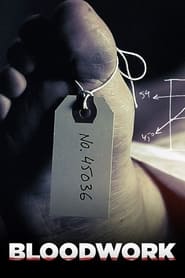
Bloodwork is a brand new series focusing on incredible criminal cases in which the resolution was brought about by the use of forensics. Each episode highlights not only a fascinating case, but the real-world investigator without whom it could never have been solved.Antoine l'Aventure
2022
Antoine l'Aventure
2022
Where Is Private Dulaney?
2022
star 7.3In 1979, Private Leroy Dulaney vanishes from his post at Camp Lejeune. The Marine Corps say he went AWOL, but his mother Carol knows in her gut that something is wrong. Determined to find out what happened to her son, she undertakes her own investigation. She could have never imagined what she would uncover.Polacy za granicą
2019
Build Your Dream Home in the Country
2023
Builder Mark Millar helps families around Britain who are taking the extraordinary step of building their own dream homes. The dream homes cover a wide range of budgets from as little as £10,000, and all types of homes in beautiful country locations.SEC Storied
2011
SEC Storied
2011
star 10ESPN Films launched the SEC Storied documentary series in September 2011, presenting fans the opportunity to explore the rich athletic history of the Southeastern Conference. From extraordinary athletes and coaches to defining games and moments, the series has featured films that focus on the SEC's recent and more distant past, including one of the most-viewed documentaries in ESPN history.Up and Vanished
2018
Up and Vanished
2018
Based on the popular podcast, each episode focuses on a different missing person case, as Payne Lindsey and his team of investigative podcasters search for answers to help the victims’ families gain a sense of closure.Hey Paula
2007
Hey Paula
2007
star 4Hey Paula is an American reality series starring and co-produced by American television personality Paula Abdul that premiered on June 28, 2007 on the Bravo network. The series is also broadcast in Britain on the ITV2 channel and Arena 105 in Australia.How The Earth Works
2013
How The Earth Works
2013
star 10Biologist Liz Bonnin and geologist Martin Pepper set out on a global expedition to answer the most thought-provoking questions in earth science today. Throughout history, such geologic events as volcanic eruptions, tsunamis, tectonic plate motion, earthquakes, and asteroid impacts have continually reshaped Earth's surface, spreading chaos across the planet. By performing experiments, making observations in the field, and consulting expert scientists, the eight-part series works to uncover Earth's immeasurable capacity to create and destroy.The IFC Media Project
2008
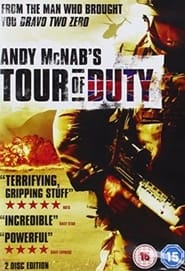
The IFC Media Project is an American television series which aired on the Independent Film Channel in the United States. The show is a documentary series which examines America's news media and seeks to uncover the truth about the news. In its first two seasons it was hosted by award winning journalist Gideon Yago and featured in-depth reporting on controversial topics facing today's media through its use of interviews and documentary footage. In the third season, the show dropped its "magazine-style" format and focused each episode on telling 22-minute short documentaries under the tagline "4 Nights, 4 Journalists, 4 Stories." The third season follows award-winning journalists Max Blumenthal, Nir Rosen, Charlie LeDuff and Andrew Berends. The series is filmed at various locations and is produced by Meghan O'Hara and Nick McKinney.Andy McNab's Tour of Duty
2008
Andy McNab's Tour of Duty is a British documentary television series about the War in Afghanistan and the Iraq War. First broadcast in June and July 2008 on ITV4, the show is presented by ex-SAS soldier Andy McNab, and is cast as an insight into the life of the Allied soldiers in these conflicts, setting aside the already well documented politics of the conflicts and giving accounts in the soldier's own personal frames of reference. The series combines first hand accounts and amateur film footage shot by the soldiers on the ground, with official archive footage from the Ministry of Defence, and reconstructions. The series was first commissioned by ITV from Flashback Productions as a 6 part series of 1 hour episodes, to be broadcast exclusively as original programming for the digital channel ITV4 in a move to increased spending on the channel's output in a bid to increase the channel's audience share, and target the channel toward a demographic of 25 to 44-year-old men.