Popular Soap TV Series on Tub Tv - Page 45
All Services
Free Services
 Netflix
 Amazon Prime Video
 Apple iTunes
 Apple TV Plus
 Disney Plus
 Google Play Movies
 Paramount Plus
 Hulu
Hulu
 HBO Max
 YouTube
 fuboTV
 Peacock
 Peacock Premium
 Amazon Video
 The Roku Channel
 AMC+
AMC on Demand
AMC+
AMC on Demand
 Kocowa
 Hoopla
 The CW
 Vudu
Vudu
 Starz
Starz
 Showtime
 PBS
PBS
 Pantaflix
 FXNow
FXNow
 Tubi TV
 Kanopy
 Comedy Central
 Crunchyroll
 Microsoft Store
 Redbox
 Sun Nxt
 ABC
ABC
 DIRECTV
 Crackle
 Fandor
 Plex
Plex
Netflix
Amazon Prime Video
Apple iTunes
Apple TV Plus
Disney Plus
Google Play Movies
Paramount Plus
Hulu
HBO Max
YouTube
fuboTV
Peacock
Peacock Premium
Amazon Video
The Roku Channel
AMC+
AMC on Demand
Kocowa
Hoopla
The CW
Vudu
Starz
Showtime
PBS
Pantaflix
FXNow
Tubi TV
Kanopy
Comedy Central
Crunchyroll
Microsoft Store
Redbox
Sun Nxt
ABC
DIRECTV
Crackle
Fandor
Plex

Nina
1977
Os Ossos do Barão
1997
Os Ossos do Barão
1997
star 9.5Os Ossos do Barão is a Brazilian telenovela produced by SBT and originally broadcast from April 28 to September 8, 1997. It is an adaptation of Jorge Andrade's 1963 play of the same name, adapted for television by Walter George Durst, with collaboration from Duca Rachid, Mário Teixeira, and Marcos Lazarini. The telenovela stars Ana Paula Arósio, Tarcísio Filho, Juca de Oliveira, Othon Bastos, and Leonardo Villar. Set in São Paulo in 1948, the story follows Egisto Ghirotto, the wealthy son of Italian immigrants who dreams of gaining social prestige by marrying his son, Martino, to Isabel, the great-granddaughter of the late Baron of Jaraguá. Their romance sparks a bitter conflict between a rising immigrant family and a declining aristocratic dynasty, exposing themes of class, ambition, tradition, and the social transformation of Brazil.Estrela de Fogo
1998
Elas por Elas
2023
Elas por Elas
2023
star 5.6"Crossed Paths" tells a history about seven friends who met in their youth at an English course meet again 25 years later; Lara, Taís, Helena, Adriana, Renée, Natália and Carol, each of them has a different personality and origin, but they share a deep affection.The Return Of The Rockefeller
1973
star 9The big shot Albert returns after three years, reuniting with his family — his parents and his sister. And he gets in touch with some acquaintances, such as his old friend Vitório and a decadent high society woman. And once again Albert, the Rockefeller gets involved with millionaires and opportunists.Young Dreams
2012
Young Dreams
2012
star 5.5The story of two teenage girls Gunjan and Rachna. Gunjan, a modern girl living in Mumbai, loses her very loved mother after she gets diagnosed with cancer. Sneha, Gunjan's late mother, tells her sister Shail before she dies to take Gunjan back to her very large family and home in Banaras. Rachna, an old-fashioned, sweet, and simple girl living in Banaras is delighted to have a sister and makes Gunjan happy in every way she can with her mischievous little cousin, Dholu. Lots of problems enter the Garg household but will they be able to handle them whilst sticking together as one?I Love Paraisópolis
2015
Yazgı
2022
Yazgı
2022
Tyler Perry's If Loving You Is Wrong
2014
star 7.5Follow the relationships of a group of husbands and wives that live and love on the same street. While the neighbors come from very different backgrounds, their lives are similar – raising children, dealing with exes, worrying about money and keeping romance in their relationships. But just below the surface — secrets, lies and deception threaten to destroy what they have built.Красная зона
2021
Together
1980
Together
1980
star 5.5Residents of a sheltered accommodation block run by a warden go about their business.These Women
2005
These Women
2005
star 8The plot takes place in 1880, in the city of Rio de Janeiro, following the lives of three strong and determined women. Aurélia, Maria da Glória and Mila are great friends who attend etiquette classes together, but life doesn't take long to put them in completely different directions.月入三千当首富
2022
月入三千当首富
2022
Amanhecer
2002
Pérola Negra
1998
Pérola Negra
1998
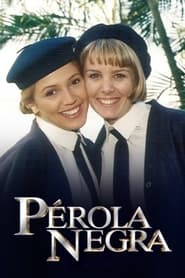
star 7.8Pérola Negra is a Brazilian telenovela produced by SBT and originally broadcast from November 9, 1998, to June 22, 1999. It is an adaptation of the Argentine telenovela Perla Negra (1994), created by Enrique Torres, adapted for Brazilian television by Henrique Zambelli and Clayton Sarzy. The telenovela stars Patrícia de Sabrit and Dalton Vigh. The story follows Pérola Marques, a young woman abandoned as a baby at a boarding school with a necklace of twenty-two black pearls, each intended to pay for one year of her education. After her best friend Eva dies shortly after giving birth, Pérola assumes Eva's identity to care for her son and fulfill her final wish. As she enters the wealthy Pacheco Oliveira family, she becomes entangled in secrets, betrayals, and a passionate romance with Tomás Álvares Toledo while uncovering the truth about her own past.Sinhazinha Flô
1977
Sinhazinha Flô
1977
star 6In love since childhood, Flô and Arnaldo join forces in the fight for the abolition of slavery. They will have to face challenges and prejudices to be able to live their love.Simplemente Maria
1989
Simplemente Maria
1989
star 7.5The story begins in a small town in rural Mexico, home to Maria López—a humble, dreamy young woman of indigenous descent—who decides to leave her village for Mexico City in search of work and a better life. Upon arriving in the capital, she begins working as a domestic helper in mansions across wealthy neighborhoods, using her earnings to pay for sewing classes. At one of these homes, she meets Juan Carlos del Villar, a playboy who seduces and wins her over.Hasta el fin del mundo
2014
star 7.8After their father's death, Sofía Ripoll, the oldest of three sisters, takes over the family's fictional successful chocolate factory. Though she is engaged to a man who uses her for money, she quickly falls in love with Salvador Cruz, a former racecar driver who takes a job as her chauffeur.Love Bites
2002
Love Bites
2002
star 6.4Set in the fictional city of Maramores, the plot centers on the character of Lívia, whose destiny begins to be shaped in the 12th century when the vampire Boris falls madly in love with her and decides to win her over at any cost, regardless of time or place. In medieval times, Lívia is Princess Cecília, Beto is Count Rogério, and Boris is Duke Boris. The present-day story begins with the introduction of Lívia's story, her husband Beto, and their children, Zeca, Tetê, and Juninho. The family's happiness will be destroyed, just as in Lívia and Beto's past lives (Princess Cecília and Count Rogério), by the reappearance of the vampire Boris. He wants to reclaim Zeca, who is not actually Lívia and Beto's son, but his son with a mistress. As soon as he was born, while still in the maternity ward, Boris placed Zeca in the place of Lívia's true son.