Top Rated War Politics TV Series - Page 64
All Services
Free Services
 Netflix
 Amazon Prime Video
 Apple iTunes
 Apple TV Plus
 Disney Plus
 Google Play Movies
 Paramount Plus
 Hulu
Hulu
 HBO Max
 YouTube
 fuboTV
 Peacock
 Peacock Premium
 Amazon Video
 The Roku Channel
 AMC+
AMC on Demand
AMC+
AMC on Demand
 Kocowa
 Hoopla
 The CW
 Vudu
Vudu
 Starz
Starz
 Showtime
 PBS
PBS
 Pantaflix
 FXNow
FXNow
 Tubi TV
 Kanopy
 Comedy Central
 Crunchyroll
 Microsoft Store
 Redbox
 Sun Nxt
 ABC
ABC
 DIRECTV
 Crackle
 Fandor
 Plex
Plex
Netflix
Amazon Prime Video
Apple iTunes
Apple TV Plus
Disney Plus
Google Play Movies
Paramount Plus
Hulu
HBO Max
YouTube
fuboTV
Peacock
Peacock Premium
Amazon Video
The Roku Channel
AMC+
AMC on Demand
Kocowa
Hoopla
The CW
Vudu
Starz
Showtime
PBS
Pantaflix
FXNow
Tubi TV
Kanopy
Comedy Central
Crunchyroll
Microsoft Store
Redbox
Sun Nxt
ABC
DIRECTV
Crackle
Fandor
Plex

Mayasabha
2025
Mayasabha
2025
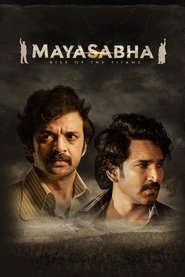
star 8Mayasabha is a period political drama set in Mid 70s Andhra Pradesh. Krishnama Naidu, an idealistic student leader and a charismatic MS Rami Reddy wade into the world of Andhra politics. As they turn thick friends, they strive to use politics as a means to achieve public good. But caste fault lines erupt, loyalties are tested and their bond is pushed to the brink. Will their friendship sustain the brutal ascent of power where there is place for only one at the summit?AMIA
2025
AMIA
2025
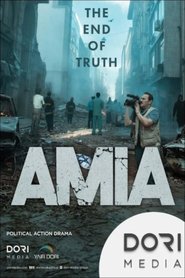
star 5Diego, a Mossad agent whose sister was killed in the Argentina terrorist attack, takes a leave of absence and hooks up with Gisela, a local journalist to find those responsible. Their journey to uncover the truth draws them into a world of espionage, intelligence agencies and arms dealers. A dubious world in which lies are truths, and justice and revenge become indistinguishable. The journey that the two embark on will eventually lead to a re-examination of their connection with their families and even their concept of self-identity.The Knife and the King
2025
star 9Kenny Ackerman believes the world is ruled by the strong, and survival is the top priority. He goes from the underground city to eventually working for the government, all while seeking the deeper truth of himself and the world he lives in.No Pains, No Gains
2011
No Pains, No Gains
2011
star 7After reading a notebook from his father, Asad tries to find a treasure which is hided in the mountains, he meets Emad & Manouchehr during the story and they make a competition to find the treasureProvence 44
2024
My Name Is Zhang Side
2025
star 5In 1933, young villager Zhang Side joins the Red Army and rises through the ranks through courage, loyalty, and sacrifice. From delivering vital intelligence to protecting Chairman Mao, his unwavering dedication to the people defines his legacy.VE Day 80
2025
VE Day 80
2025
star 7Eighty years on from the announcement that brought joy and relief to the nation, join in with moments of remembrance from across the UK to pay tribute to the heroes of the past.Taganrog
2025
Taganrog
2025
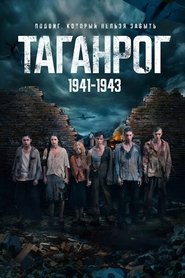
star 8The year is 1941. Viktor Shvets, a state security officer, organizes underground resistance against the Nazi occupation under the name of Gustav Schwartz. As a result of his activities, hundreds of people become part of the resistance, commit sabotage, distribute leaflets and prepare an uprising. Vasily Afonov becomes the leader of the underground.The Trial of Maurice Papon
2025
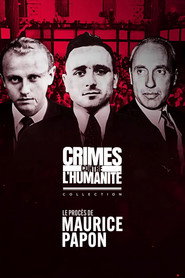
star 7Maurice Papon, a high-ranking official under the Vichy regime, oversaw the deportation of hundreds of Jews from the Gironde prefecture in 1942. After the war, he enjoyed a prestigious career as a prefect, member of parliament, and minister without ever facing any repercussions. In 1981, the newspaper “Le Canard enchaîné” revealed his role during the Occupation, backed by documents, leading to a complaint for crimes against humanity. After 16 years of legal proceedings, his trial began in 1997. Accused of complicity in the deportation of 1,600 Jews, he claimed he was merely obeying government orders and acting under coercion from the Nazi occupiers, while the prosecution emphasized his conscious responsibility. Sentenced to 10 years’ imprisonment in 1998 following a trial lasting more than six months, he was released in 2002 for health reasons. This trial, a belated symbol of the accountability of public officials, continues to fuel reflection on individual responsibility.The Trial of Paul Touvier
2025
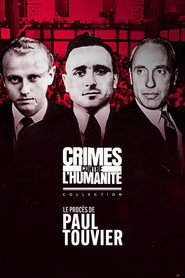
star 7Paul Touvier, a former member of the Vichy Militia, was sentenced to death in 1947 for war crimes but evaded justice thanks to the support of the Church and the statute of limitations, which expired in 1967. In 1973, he received a presidential pardon from Pompidou, but an investigation led to the reopening of proceedings for crimes against humanity, for which there is no statute of limitations. Hunted down, he was arrested in 1989 at the Saint-Joseph Priory in Nice. His trial began in March 1994, shedding light on the role of the Milice, the armed wing of the collaboration, and of Vichy. Touvier was charged with complicity in crimes against humanity for the execution of seven Jews in retaliation for the assassination of a propagandist. His personal notebooks reveal his anti-Semitism. On April 20, 1994, he was sentenced to life imprisonment and died in 1997. This trial sparked a debate on the responsibility of the French state during the Occupation.10 Years On The Devil's Island
2025
star 1Part documentary and part fiction, this story brings to life the memories of one of the heroes of the Turkish War of Liberation. During İstanbul's occupation by the Western forces, Ottoman police officer Cemil clashes with French soldiers, resulting in his being handed over to the occupier courts and sentenced to many years in prison. This sentence takes him too far away from his home: to Devil's Island in French Guiana. During his sentence, Cemil fights an uphill battle for survival and eventually returns to a newly founded Türkiye.Kill List: Hunted by Putin's Spies
2025
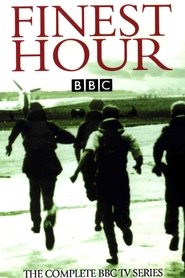
In this immersive, gripping documentary, journalist Christo Grozev - famous for exposing Putin's murder machinery - discovers that he's under threat and goes on the run.Finest Hour
1999
Finest Hour
1999
star 7Series tracing the events of 1940, when Britain faced alone the threat of invasion and defeat by Hitler's forces.Escape Over Kölen
1979
Escape Over Kölen
1979
star 5A series that details the refugee traffic from Nazi-occupied Norway to Sweden during World War II. "The Escape Over Kölen," refers to crossing the Kölen mountain range (Scandinavian Mountains) between Sweden and Norway.1979 - The Year Of The Islamist Revolution
2022
star 8During the 1970s the Middle East was a battleground for the Cold War; liberal pro-Western forces battled with pro-Soviet Arab Nationalists and Baathists. But in 1979 a series of events – the Iranian Revolution, Egypt’s peace with Israel, the Mecca Mosque Siege, and the Soviet Invasion of Afghanistan – contributed to a radical change in the mind-set of the region and its leaders. It was the start of the meteoric rise of radical Islam.东方卡萨布兰卡
2009