Top Rated Comedy TV Series on The Roku Channel - Page 22
All Services
Free Services
 Netflix
 Amazon Prime Video
 Apple iTunes
 Apple TV Plus
 Disney Plus
 Google Play Movies
 Paramount Plus
 Hulu
Hulu
 HBO Max
 YouTube
 fuboTV
 Peacock
 Peacock Premium
 Amazon Video
 The Roku Channel
 AMC+
AMC on Demand
AMC+
AMC on Demand
 Kocowa
 Hoopla
 The CW
 Vudu
Vudu
 Starz
Starz
 Showtime
 PBS
PBS
 Pantaflix
 FXNow
FXNow
 Tubi TV
 Kanopy
 Comedy Central
 Crunchyroll
 Microsoft Store
 Redbox
 Sun Nxt
 ABC
ABC
 DIRECTV
 Crackle
 Fandor
 Plex
Plex
Netflix
Amazon Prime Video
Apple iTunes
Apple TV Plus
Disney Plus
Google Play Movies
Paramount Plus
Hulu
HBO Max
YouTube
fuboTV
Peacock
Peacock Premium
Amazon Video
The Roku Channel
AMC+
AMC on Demand
Kocowa
Hoopla
The CW
Vudu
Starz
Showtime
PBS
Pantaflix
FXNow
Tubi TV
Kanopy
Comedy Central
Crunchyroll
Microsoft Store
Redbox
Sun Nxt
ABC
DIRECTV
Crackle
Fandor
Plex

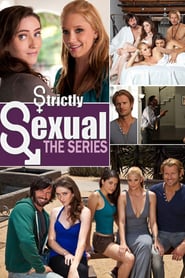
Strictly Sexual The Series
2011
star 5.3Joe and Stanny are two likable losers who are unlucky in love, but lucky with sex. Summer and Georgia are two girls who make a deal to swear off dating to focus on their careers and keep things strictly sexual. One girl starts dating another girl to avoid falling in love, while Georgia starts having sex with Stanny, knowing she could never fall for him. To everyones surprise, real feelings arise, causing the drama and heartache everyone was trying to avoid. The show addresses the entanglements of love and sex. This is a spinoff of the hit indie film of the same name, directed by Independent Spirit Award winner Joel Viertel, and written and starring Stevie Long.Fool's Love
2015
Fool's Love
2015
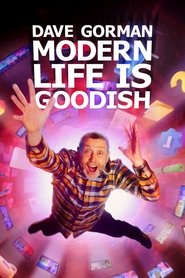
star 7.2It's not easy being Ho Goo, a low-key guy who can neither score a date nor score high enough on his civil service exams, which he's failed 7 years running. But when he has a chance reunion with national swimming champion Do Hee, the most popular girl of his high school, his luck begins to change — perhaps for the worse. After staying out all night with Do Hee, Ho Goo experiences a rude awakening when he realizes that not only has Do Hee left him, she's also pregnant!Dave Gorman's Modern Life is Goodish
2013
star 7.9Dave Gorman points out things he finds strange about modern life.Flower Boy Ramen Shop
2011
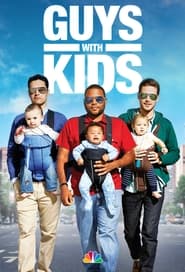
star 6.3Yang Eun-bi is a college student preparing for her civil service exam with the dream of being a high school teacher. She accidentally encounters Cha Chi-soo, the arrogant son of the biggest food conglomerate in Korea. Both of them end up working at a ramen shop run by the lazy Choi Kang-hyuk.Guys with Kids
2012
Guys with Kids
2012
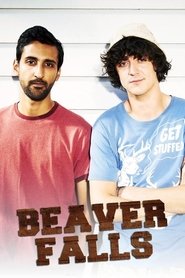
star 5.6Three 30-something dads try to hold on to their youth as they face the responsibilities of having kids. Thankfully, Gary, Chris and Nick have each other to help navigate the highs and lows of fatherhood - while still trying desperately to remain dudes.Beaver Falls
2011
Beaver Falls
2011
star 6.4Three British graduates blag jobs at an elite American summer camp. The guys want a summer of fun, but they have to set an example to the gorgeous teenage offspring of California's rich and powerful.Mary Shelley's Frankenhole
2010
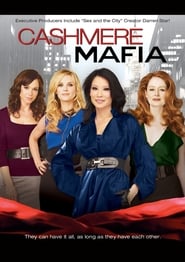
star 7.4Mary Shelley's Frankenhole is a stop-motion animated TV series by Dino Stamatopoulos, creator of Moral Orel.Cashmere Mafia
2008
Cashmere Mafia
2008
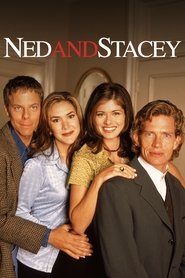
star 5.9Four ambitious and sexy women, who've been best friends since business school, try to balance their glamorous and demanding careers with their complex personal lives in the city that never sleeps. They've created their own "boys club" to protect each other and discuss their ups and downs as they try to have it all. What good is it to break the glass ceiling without girlfriends to share in your success?Ned & Stacey
1995
Ned & Stacey
1995
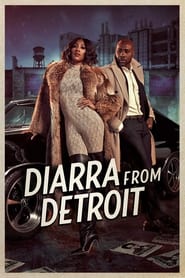
star 7.1A self-centered ad exec and a liberal journalist enter into a marriage of convenience. He's trying to boost his business image; she likes his apartment.Diarra from Detroit
2024
Diarra from Detroit
2024
star 4.5A divorcing, overworked teacher finds herself drawn into a cold case after a dating app matches her with a man she suspects is the adult version of a boy abducted in the 90s.Stealer: The Treasure Keeper
2023
star 4.3A comic action drama in which a veiled cultural asset thief 'Skunk' and an unofficial cultural asset recovery team 'Karma' unite against those who cannot be judged by the law.Scripting Your Destiny
2021
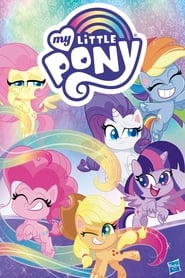
star 4.7A fantasy romance series between a god who writes people’s destinies, and a person living that life.My Little Pony: Pony Life
2020
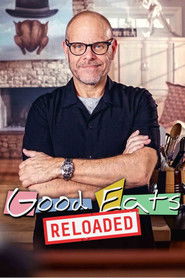
star 6.9A look at the funny side of friendship. The new center of the world is Sugarcube Corner – just like going to a friend’s house after school, this is our ponies’ home away from home. Here, Pinkie Pie serves up frosted cupcakes to the best customers in the world— her friends!Good Eats: Reloaded
2018
Good Eats: Reloaded
2018
star 9.4Alton Brown renovates, updates — and in some cases, repairs — classic episodes of the long-running series.Some Assembly Required
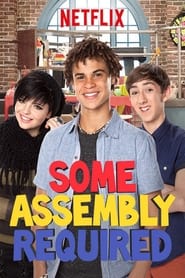
2014
star 5.6When fourteen-year-old Jarvis Raines gets a chemistry set from his Aunt Marlene for Christmas, he assumes it's just another boring gift. Boy is he wrong! The contents create a chemical reaction that destroys his houseso much for a Merry Christmas! After getting not even an apology from the manufacturer, Knickknack Toys, Jarvis takes them to court, wins, and ends up owning the company!The Delivery Man
2015
The Delivery Man
2015
star 6.3Matthew decides to leave his job and train to become a male midwife on a busy maternity ward. He is soon joined by best friend and former policeman friend Ian who joins as the hospital security guard.The Birthday Boys
2013
The Birthday Boys
2013
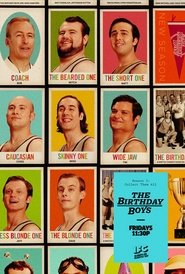
star 6.8"The Birthday Boys" is a scripted original sketch comedy, executive produced by Bob Odenkirk ("Breaking Bad", "Mr. Show") and Ben Stiller ("The Secret Life of Walter Mitty", "Zoolander"). The series features the Los Angeles comedy group of the same name (UCB Theatre Los Angeles, Just for Laughs Festival) along with Odenkirk and is in the classic vein of absurd/silly/smart/funny variety shows ("Mr. Show", Monty Python), featuring sketches that twist real-life moments and cultural touchstones.Pete versus Life
2010
Pete versus Life
2010
star 6.5Pete versus Life is a Channel 4 sitcom created by George Jeffrie and Bert Tyler-Moore. It stars Rafe Spall and the first episode was aired on 6 August 2010. It was recommissioned for a second series after averaging 1.6 million viewers and a young demographic during its first run, and series two started airing on 21 October 2011.Jimmy Two-Shoes
2009
Jimmy Two-Shoes
2009
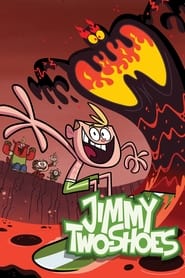
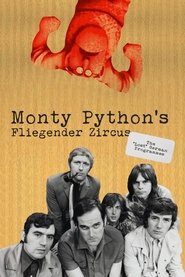
star 6.8Jimmy Two-Shoes is a Canadian animated television series that aired on Disney XD in the United Kingdom and in the USA, and Teletoon in Canada. The series were centered around the exploits of the happy-go-lucky titular character Jimmy, who lives in Miseryville, a miserable town filled with monsters and demon-like creatures. The series were created by Edward Kay and Sean Scott. The series is rated G in Canada and TV-Y7 in the United States. The show premiered on February 21, 2009, ending its run in the U.S. on July 15, 2011, spanning 2 seasons.Monty Python's Fliegender Zirkus
1972
star 7.4Monty Python's Fliegender Zirkus consisted of two 45-minute Monty Python German television comedy specials produced by WDR for West German television. The two episodes were first broadcast in January and December 1972 and were shot entirely on film and mostly on location in Bavaria, with the first episode recorded in German and the second recorded in English and then dubbed into German.