Western TV Series - Page 3

Billy the Kid
2022
Billy the Kid
2022
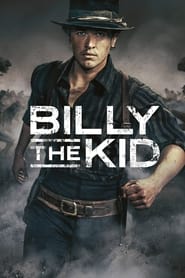
star 7.7An epic romantic adventure series based on the life of famous American outlaw Billy the Kid — from his humble Irish roots, to his early days as a cowboy and gunslinger in the American frontier, to his pivotal role in the Lincoln County War and beyond.The Ranch
2016
The Ranch
2016
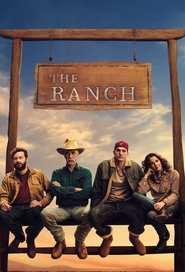
star 7.4Being a pro athlete didn't pan out for Colt. Now he's helping his dad and brother keep the ranch afloat, and figuring out how he fits into the family.Here Come the Brides
1968
Here Come the Brides
1968
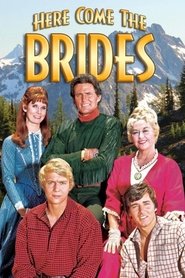
star 6.9Here Come the Brides is an American comedy Western series from Screen Gems that aired on the ABC television network from September 25, 1968 to April 3, 1970. The series was loosely based upon the Mercer Girls, Asa Mercer's efforts to bring civilization to old Seattle by importing marriageable women from the east coast of the United States in the 1860s, where the ravages of the American Civil War left towns short of men.Jericho
2006
Jericho
2006
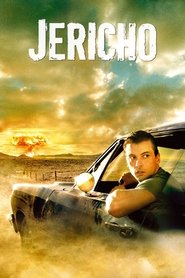
star 7.4Jericho is an American action/drama series that centers on the residents of the fictional town of Jericho, Kansas, in the aftermath of nuclear attacks on 23 major cities in the contiguous United States.Ransom Canyon
2025
Ransom Canyon
2025
star 7.3Passions run deep in a small Texas town, as three ranching dynasties fight for their land, their legacies and the people they love.The Deputy
1959
The Deputy
1959
star 6.5The Deputy is an American western series that aired on NBC from September 1959, to July 1961. The series stars Henry Fonda as Chief Marshal Simon Fry of the Arizona Territory and Allen Case as Deputy Clay McCord, a storekeeper who tried to avoid using a gun.Alias Smith and Jones
1971
star 7Alias Smith and Jones is an American Western series that originally aired on ABC from 1971 to 1973. It stars Pete Duel as Hannibal Heyes and Ben Murphy as Jedediah "Kid" Curry, a pair of cousin outlaws trying to reform. The governor offers them a conditional amnesty, as he wants to keep the pact under wraps for political reasons. The condition is that they will still be wanted— until the governor can claim they have reformed and warrant clemency.Little House on the Prairie
2026
star 6.7The close-knit Ingalls family builds a new life on the Western frontier, where the joys of nature and the struggle for survival are deeply intertwined.Sheriff Callie's Wild West
2013
star 5.5A kids' western centered on a kitty-cat sheriff whose job is to ensure that the town of Nice and Friendly Corners remains the friendliest town in the West.The Man from Snowy River
1994
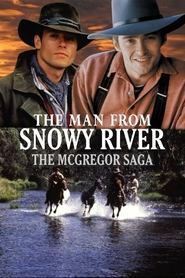
star 7.1The Man from Snowy River is an Australian television series based on Banjo Paterson's poem "The Man from Snowy River". Released in Australia as Banjo Paterson's The Man from Snowy River, the series was subsequently released in both the United States and the United Kingdom as Snowy River: The McGregor Saga. The television series has no relationship to the 1982 film The Man from Snowy River or the 1988 sequel The Man from Snowy River II. Instead, the series follows the adventures of Matt McGregor, a successful squatter, and his family. Matt is the hero immortalized in Banjo Paterson's poem "The Man from Snowy River", and the series is set 25 years after his famous ride.Sugarfoot
1957
Sugarfoot
1957
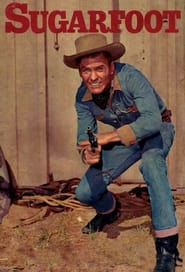
star 5.1Sugarfoot is an American western television series that aired on ABC from 1957 to 1961. The series stars Will Hutchins as Tom Brewster, an Easterner who comes to the Oklahoma Territory to become a lawyer. Jack Elam is cast in occasional episodes as sidekick Toothy Thompson. Brewster was a correspondence-school student whose apparent lack of cowboy skills earned him the nickname "Sugarfoot", a designation even below that of a tenderfoot.The Texan
1958
The Texan
1958
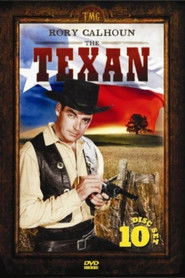
star 6The Texan was a Western television series starring popular B movie actor Rory Calhoun, which aired on the CBS television network from 1958 to 1960.Bronco
1958
Bronco
1958
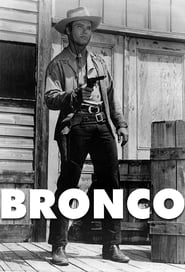
star 6Bronco is a Western series on ABC from 1958 through 1962. It was shown by the BBC in the United Kingdom. The program starred Ty Hardin as Bronco Layne, a former Confederate officer who wandered the Old West, meeting such well-known individuals as Wild Bill Hickok, Billy the Kid, Jesse James, Theodore Roosevelt, Belle Starr, Cole Younger, and John Wesley Hardin.Branded
1965
Branded
1965
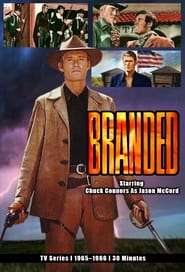
star 6.8Branded is an American Western series which aired on NBC from 1965 through 1966, sponsored by Procter & Gamble in its Sunday night 8:30 p.m. Eastern Time period, and starred Chuck Connors as Jason McCord, a United States Army Cavalry captain who had been drummed out of the service following an unjust accusation of cowardice.Stoney Burke
1962
Stoney Burke
1962
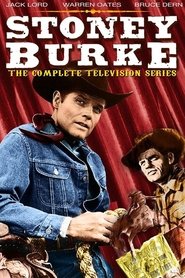
star 6.8Stoney Burke is an American western television series broadcast on ABC from October 1, 1962 until May 20, 1963. Six years before the premiere of his CBS crime drama, Hawaii Five-0, Jack Lord starred in the title role.Tombstone Territory
1957
Tombstone Territory
1957
star 6.9Tombstone Territory is an American Western series starring Pat Conway and Richard Eastham. The series' first two seasons aired on ABC from 1957 to 1959. The third and final season aired in syndication from 1959 until 1960.The Quick Draw McGraw Show
1959
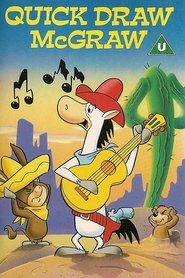
star 6.6The Quick Draw McGraw Show is the third cartoon television production created by Hanna-Barbera, starring an anthropomorphic cartoon horse named Quick Draw McGraw. The series featured 3 cartoons per episode, one each by Quick Draw McGraw & Baba Looey, father and son dog duo Augie Doggie & Doggie Daddy, and cat and mouse detectives Snooper & Blabber.Laramie
1959
Laramie
1959
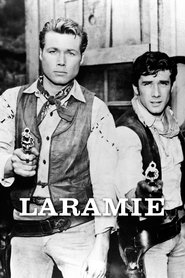
star 6.7Laramie is an American Western television series that aired on NBC from 1959 to 1963. A Revue Studios production, the program originally starred John Smith as Slim Sherman, Robert Fuller as Jess Harper, Hoagy Carmichael as Jonesy and Robert L. Crawford, Jr., as Andy Sherman.The Gene Autry Show
1950
The Gene Autry Show
1950
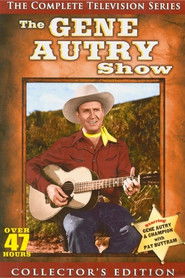
star 4.7The Gene Autry Show is an American western/cowboy television series which aired for 91 episodes on CBS from July 23, 1950 until August 7, 1956, originally sponsored by Wrigley's Doublemint chewing gum.The Magnificent Seven
1998
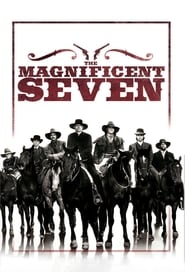
star 6.6The Magnificent Seven is an American western television series based on the 1960 movie, which is a remake of the Japanese film Seven Samurai. It aired between 1998 and 2000. It was filmed in Newhall, California. The pilot, scripted by Chris Black and Frank Q. Dobbs, was filmed in Mescal, Arizona and the Dragoon Mountains of Arizona, near Tombstone. Robert Vaughn, who had starred in the original 1960 movie, frequently guest-starred as a crusading judge.