Western TV Series - Page 4

The Young Riders
1989
The Young Riders
1989
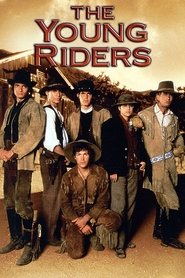
star 7.4The Young Riders was an American Western television series created by Ed Spielman that presents a fictionalized account of a group of young Pony Express riders based at the Sweetwater Station in the Nebraska Territory during the years leading up to the American Civil War. The series premiered on ABC on September 20, 1989 and ran for three seasons until the final episode aired on July 23, 1992.The Magnificent Seven
1998
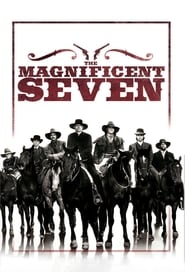
star 6.6The Magnificent Seven is an American western television series based on the 1960 movie, which is a remake of the Japanese film Seven Samurai. It aired between 1998 and 2000. It was filmed in Newhall, California. The pilot, scripted by Chris Black and Frank Q. Dobbs, was filmed in Mescal, Arizona and the Dragoon Mountains of Arizona, near Tombstone. Robert Vaughn, who had starred in the original 1960 movie, frequently guest-starred as a crusading judge.State Trooper
1956
State Trooper
1956
star 5.7State Trooper is an American crime drama set in the 1950s American West, starring Rod Cameron as Rod Blake, an officer of the Nevada Department of Public Safety. The series aired 104 episodes in syndication from September 25, 1956, to June 25, 1959.Lancer
1968
Lancer
1968
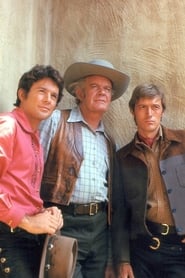
star 5.6Lancer is an American Western series that aired on CBS from September 1968, to May 1970. The series stars Andrew Duggan, James Stacy, and Wayne Maunder as a father with two half-brother sons, an arrangement similar to the more successful Bonanza on NBC.Godless
2017
Godless
2017
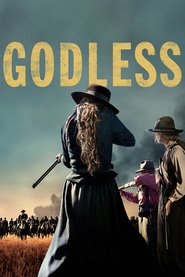
star 7.7A ruthless outlaw terrorizes the West in search of a former member of his gang, who’s found a new life in a quiet town populated only by women.How the West Was Won
1977
How the West Was Won
1977
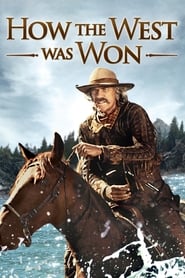
star 7The Macahans, a family from Virginia headed by Zeb Macahan, travel across the country to pioneer a new land and a new home in the American West.Stoney Burke
1962
Stoney Burke
1962
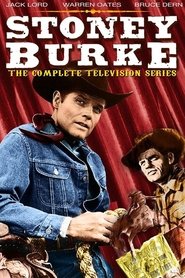
star 6.8Stoney Burke is an American western television series broadcast on ABC from October 1, 1962 until May 20, 1963. Six years before the premiere of his CBS crime drama, Hawaii Five-0, Jack Lord starred in the title role.Laredo
1965
Laredo
1965
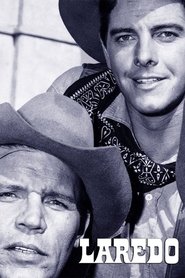
star 6.4Laredo is an American Western television series that aired on NBC from September 16, 1965, to April 7, 1967. Laredo stars Neville Brand, William Smith, Peter Brown, and Philip Carey as Texas Rangers. It is set on the Mexican border about Laredo, Texas. The program was produced by Universal Television. The pilot episode of Laredo aired on NBC's The Virginian under the title, "We've Lost a Train". It was released theatrically in 1969 under the title Backtrack. Three episodes from the first season of the series were edited into the 1968 feature film Three Guns for Texas.Gun x Sword
2005
Gun x Sword
2005
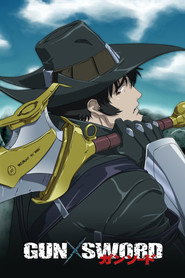
star 6There’s a claw-fisted, genocidal maniac terrorizing the planet of endless illusion, and only Van, a tight-lipped loner in a jet black tuxedo, can bring the scoundrel to justice. Armed with his shape-shifting sword and a mechanized suit of armor, Van hunts the villain who murdered his one true love. With any luck, he’ll find the man he seeks before the sun sets on civilization.The Adventures of Wild Bill Hickok
1951
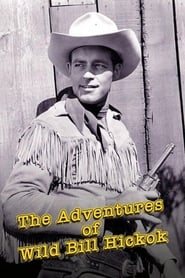
star 5.3The Adventures of Wild Bill Hickok is an American Western television series which ran for eight seasons from 1951 through 1958. The Screen Gems series began in syndication, but ran on CBS from 1955 through 1958, and, at the same time, on ABC from 1957 through 1958.Trackdown
1957
Trackdown
1957
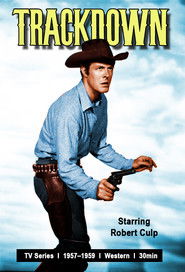
star 6.9Trackdown is an American Western television series starring Robert Culp that aired on CBS between 1957 and 1959. More than seventy episodes of this series were produced by Dick Powell's Four Star Television and filmed at the Desilu-Culver Studio. The series was itself a spin-off of Powell's anthology series, Dick Powell's Zane Grey Theater.Bordertown
1989
Bordertown
1989
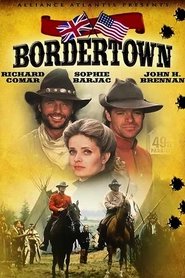
star 6.6Bordertown is a television western-drama series that aired from 1989 to 1991. It depicts the town formerly known as Pemmican that was later renamed Bordertown when the western border between the United States and Canada was surveyed in 1880, dividing the town.Crossroad Springs
2025
Crossroad Springs
2025
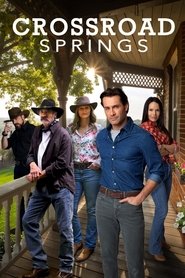
star 8.8The Hamilton family faces financial struggles and staffing shortages on Hamilton Ranch. Pastor James and Janet return to help the family, encountering a generational feud between the family owners. James starts a cowboy church on the farm, where faith, family, and ranch life are intertwined, despite the lack of worship spaces on the vast farmland.Fury
1955
Fury
1955
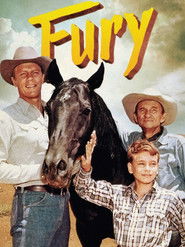
star 6.5Fury is an American western television series that aired on NBC from 1955 to1960. It stars Peter Graves as Jim Newton, who operates the Broken Wheel Ranch in California; Bobby Diamond as Jim's adopted son, Joey Clark Newton, and William Fawcett as ranch hand Pete Wilkey. Roger Mobley co-starred in the two final seasons as Homer "Packy" Lambert, a friend of Joey's. The frequent introduction to the show depicts the beloved stallion running inside the corral and approaching the camera as the announcer reads: "FURY!..The story of a horse..and a boy who loves him." Fury is the first American series produced originally by Television Programs of America and later by the British-based company ITC Entertainment.The Cisco Kid
1950
The Cisco Kid
1950
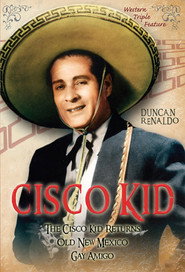
star 6.2The Cisco Kid is a half-hour American Western television series starring Duncan Renaldo in the title role, The Cisco Kid, and Leo Carrillo as the jovial sidekick, Pancho. Cisco and Pancho were technically desperados, wanted for unspecified crimes, but instead viewed by the poor as Robin Hood figures who assisted the downtrodden when law enforcement officers proved corrupt or unwilling to help. It was also the first television series to be filmed in color, although few viewers saw it in color until the 1960s.Outlaws
1960
Outlaws
1960
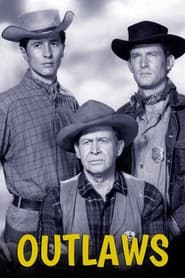
star 6.7Outlaws is an NBC Western television series, starring Barton MacLane as U.S. marshal Frank Caine, who operated in a lawless section of Oklahoma Territory about Stillwater. The program aired 50 one-hour episodes from September 29, 1960, to May 10, 1962. The first season was shot in black-and-white, the second in color. Co-starring with MacLane in the 1960–1961 season was Don Collier as deputy marshal Will Foreman. In the second season, MacLane left the program, and Collier was promoted to full marshal, with Bruce Yarnell joining the cast as deputy marshal Chalk Breeson. Jock Gaynor appeared in the first season as deputy Heck Martin, the on-screen nephew of Will Foreman. Slim Pickens appeared as "Slim" in the second season. Judy Lewis also appeared the second season as Connie Masters, an employee of the Wells Fargo office in Stillwater. The dog who appeared in Walt Disney's Old Yeller was also cast in The Outlaws. Others who appeared on the program on at least three occasions were Vic Morrow, Cliff Robertson,The Abandons
2025
The Abandons
2025
star 5.8In 1850s Washington, two families led by powerful matriarchs — one wealthy, one poor but deeply loyal — battle for supremacy on the lawless frontier.Johnny Ringo
1959
Johnny Ringo
1959
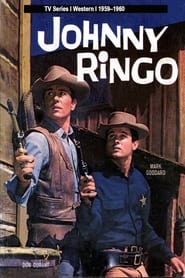
star 5.9Johnny Ringo is an American Western television series starring Don Durant that aired on CBS from October 1, 1959, until June 30, 1960. It is loosely based on the life of the notorious gunfighter and outlaw Johnny Ringo, also known as John Peters Ringo or John B. Ringgold, who tangled with Wyatt Earp, Doc Holliday, and Buckskin Franklin Leslie.Riverboat
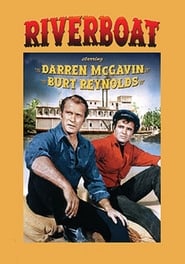
1959
Riverboat
1959
star 6.5Riverboat is a 44-episode western television series starring Darren McGavin and Burt Reynolds broadcast on the NBC television network from September 13, 1959 until January 2, 1961. It was produced by Revue Studios.