Popular Sci Fi Fantasy TV Series on Tubi TV - Page 5
All Services
Free Services
 Netflix
 Amazon Prime Video
 Apple iTunes
 Apple TV Plus
 Disney Plus
 Google Play Movies
 Paramount Plus
 Hulu
Hulu
 HBO Max
 YouTube
 fuboTV
 Peacock
 Peacock Premium
 Amazon Video
 The Roku Channel
 AMC+
AMC on Demand
AMC+
AMC on Demand
 Kocowa
 Hoopla
 The CW
 Vudu
Vudu
 Starz
Starz
 Showtime
 PBS
PBS
 Pantaflix
 FXNow
FXNow
 Tubi TV
 Kanopy
 Comedy Central
 Crunchyroll
 Microsoft Store
 Redbox
 Sun Nxt
 ABC
ABC
 DIRECTV
 Crackle
 Fandor
 Plex
Plex
Netflix
Amazon Prime Video
Apple iTunes
Apple TV Plus
Disney Plus
Google Play Movies
Paramount Plus
Hulu
HBO Max
YouTube
fuboTV
Peacock
Peacock Premium
Amazon Video
The Roku Channel
AMC+
AMC on Demand
Kocowa
Hoopla
The CW
Vudu
Starz
Showtime
PBS
Pantaflix
FXNow
Tubi TV
Kanopy
Comedy Central
Crunchyroll
Microsoft Store
Redbox
Sun Nxt
ABC
DIRECTV
Crackle
Fandor
Plex

Signal
2016
Signal
2016
star 8.2Detectives from the present and a detective from the past communicate via walkie-talkie to solve a long-time unsolved case.The Tribe
1999
The Tribe
1999
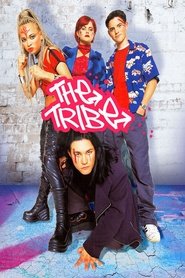
star 6.9The Tribe is a New Zealand/British post-apocalyptic fictional TV series primarily aimed at teenagers. It is set in a near-future in which all adults have been wiped out by a deadly virus, leaving the children of the world to fend for themselves. The show's focus is on an unnamed city inhabited by tribes of children and teenagers. It was primarily filmed in and around Wellington, New Zealand. The series was created by Raymond Thompson and Harry Duffin and was developed and produced by the Cloud 9 Screen Entertainment Group in conjunction with the UK's Channel 5. It has aired on over 40 broadcast networks around the world.Mystery Science Theater 3000
1989
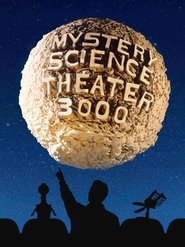
star 7.7A stranded spaceship pilot captured by mad scientists survives a blitz of cheesy B movies by riffing on them with his funny robot pals.The 4400
2004
The 4400
2004
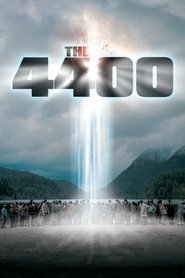
star 7.24400 centers on the return of 4400 people who, previously presumed dead or reported missing, reappear on Earth. Though they have not aged physically, some of them seem to have deeper alterations ranging from superhuman strength to an unexplained healing touch. A government agency is formed to track the 4400 people after one of them commits a murder.Roswell
1999
Roswell
1999
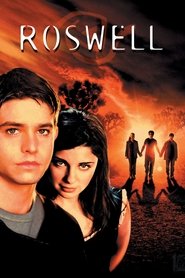
star 7.7Bizarre things start happening in the little New Mexico town where UFOs were spotted in 1947. Cut to 1999, when a cute high-school student saves the life of a teenage waitress. Surrounded by cliques of clever, angst-filled classmates, the two form a bond that threatens the survival of a secret universe involving superhuman powers, a yen for hot sauce and an alien gene pool.Hyakujuu Sentai Gaoranger
2001
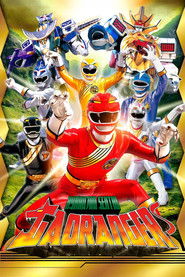
star 7.5Long ago, a great, destructive war between humans the Orgs was ended; the people of Earth were believed to be the victors. But now, 1,000 years later, the Orgs have returned. And five new warriors have been selected by the Power Animals to claim the responsibility of protecting humanity once again, by becoming Gaorangers!Colony
2016
Colony
2016
star 6.9In the near future a family must make difficult decisions as they balance staying together with trying to survive. They live in Los Angeles, which has been occupied by a force of outside intruders. While some people have chosen to collaborate with the authorities and benefit from the new order, others have rebelled — and suffer the consequences.Infinity Nado
2012
Infinity Nado
2012
star 8.8Dawn and Athas find a mysterious sleeping boy, Pandora, who suffers from amnesia after he comes around. When Pandora just arrives at Freewheel Town, he becomes the chasing target of an organization called Ancient Hunter Group, which demands of him to carry out the "Great Mission". Under the attack of Jin and his friends, Ancient Hunter Group is temporarily repelled. With the assistance of Jin and his friends, Pandora gradually gets used to life in this world and his skill on top is much improved.Can Pandora regain his memories? What is his "Great Mission"? The story will tell you......Kabaneri of the Iron Fortress
2016
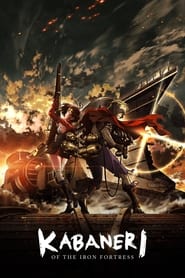
star 7.1In the midst of an industrial revolution, the people of Hinomoto fight hordes of undead creatures, known as Kabane, using powerful armored trains.GeGeGe no Kitaro
2018
GeGeGe no Kitaro
2018
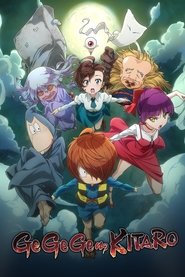
star 7.1Nearly twenty years into the 21st century, people have forgotten the existence of Yokai. When a number of unexplainable phenomena plague adults of the human world with confusion and chaos, thirteen-year-old Mana writes a letter to the Yokai Post in search of answers, only to be greeted by GeGeGe no Kitaro...Blue Dragon
2007
Blue Dragon
2007
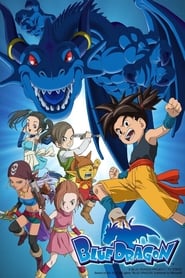
star 7.9A terrible and mysterious enemy attacks the small village of Shu and his friend Kluke. The great warrior Zola, followed by Jiro, will help them discover the ability to evoke shadows.Kid vs. Kat
2008
Kid vs. Kat
2008
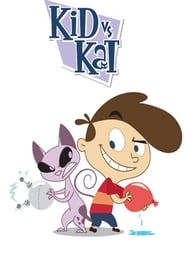
star 7.9Ten-year-old Coop Burtonburger's life takes a turn for the worse when his little sister, Millie, brings home a mysterious stray cat who, in reality, is an evil cybernetic alien in disguise. To make matters worse, neither his family nor anyone else believes him, except for his best friend, Dennis. Now, Coop risks his life every day as he attempts to foil the cat's diabolical schemes and prove to the world that the family pet is an evil mastermind.Masters of Horror
2005
Masters of Horror
2005
star 7.1An anthology series written and directed by the most famous names in horror.Yu-Gi-Oh! VRAINS
2017
Yu-Gi-Oh! VRAINS
2017
star 7.1Den City is a city with advanced network systems in which a VR space called LINK VRAINS was created by SOL Technologies. The Knights of Hanoi, a group that hacks through dueling, as well as SOL Technologies are seeking a mysterious AI program. Yusaku Fujiki, also known as Playmaker, is a first year high school student who manages to capture this AI program while trying to find out the truth about an incident in the past.Celebrity Ghost Stories
2009
star 7.3Compelling, surprising and downright spooky — celebrities share their real-life personal encounters with the paranormal in each one-hour special. From encounters with ghosts and angry spirits to haunted homes, unexplainable spells and magic, these descriptive, first person narratives from our favorite stars delivers a brand new way of experiencing the thrills and chills of the addictive world of the paranormal.Danger Mouse
2015
Danger Mouse
2015
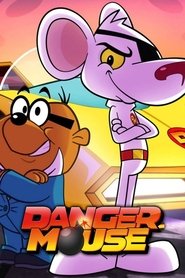
star 6.3Danger Mouse is back saving London, saving the World and, most importantly, saving Penfold in brand new and fantastically absurd, energetic adventures.The Munsters
1964
The Munsters
1964
star 7.9A family of friendly monsters that have misadventures all while never quite understanding why people react to them so strangely.Space Brothers
2012
Space Brothers
2012
star 8.2When they were young, the brothers Mutta and Hibito promised each other they would become astronauts. Now, in 2025, Hibito has followed his dream to become the first Japanese on the moon, but Mutta has just been fired from his job. His brother reminds him of their childhood promise, and Mutta decides once again to aim for space.Kong: The Animated Series
2000
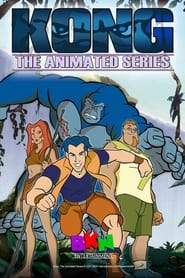
star 6.9Cloned after falling to his death from the Empire State Building, the antihero ape must travel the world to restore the balance of his home island.Good Witch
2015
Good Witch
2015
star 7.7Cassie Nightingale, Middleton’s favorite enchantress, and her young-teenage daughter Grace, who shares that same special intuition as her mom, welcome Dr. Sam Radford and his son to town. When the New York transplants move in next to the Grey House, they are immediately spellbound by the mother-daughter duo next door, but Sam and Cassie quickly find they may not see eye to eye. With her signature charm, Cassie attempts to bring everyone together, ensuring all of Middleton is in for new changes, big surprises and, of course, a little bit of magic! "Good Witch” is based on Bell’s beloved character Cassie, the raven-haired enchantress who kept audiences spellbound for seven installments of Hallmark Channel's longest-running and highest-rated original movie franchise of all time.