Popular News TV Series - Page 5
All Services
Free Services
 Netflix
 Amazon Prime Video
 Apple iTunes
 Apple TV Plus
 Disney Plus
 Google Play Movies
 Paramount Plus
 Hulu
Hulu
 HBO Max
 YouTube
 fuboTV
 Peacock
 Peacock Premium
 Amazon Video
 The Roku Channel
 AMC+
AMC on Demand
AMC+
AMC on Demand
 Kocowa
 Hoopla
 The CW
 Vudu
Vudu
 Starz
Starz
 Showtime
 PBS
PBS
 Pantaflix
 FXNow
FXNow
 Tubi TV
 Kanopy
 Comedy Central
 Crunchyroll
 Microsoft Store
 Redbox
 Sun Nxt
 ABC
ABC
 DIRECTV
 Crackle
 Fandor
 Plex
Plex
Netflix
Amazon Prime Video
Apple iTunes
Apple TV Plus
Disney Plus
Google Play Movies
Paramount Plus
Hulu
HBO Max
YouTube
fuboTV
Peacock
Peacock Premium
Amazon Video
The Roku Channel
AMC+
AMC on Demand
Kocowa
Hoopla
The CW
Vudu
Starz
Showtime
PBS
Pantaflix
FXNow
Tubi TV
Kanopy
Comedy Central
Crunchyroll
Microsoft Store
Redbox
Sun Nxt
ABC
DIRECTV
Crackle
Fandor
Plex

Have I Got a Bit More News for You
0000
star 7.1Based on the week’s news and fronted by guest hosts, this extended version of the satirical news quiz features more of the stuff that wouldn't fit into the regular programme.Sunday with Laura Kuenssberg
2022
star 2.8The big names behind the big stories. Laura Kuenssberg talks to those making the news, inside and outside politics.Lorraine
2001
Lorraine
2001
star 2.8Lorraine is the early weekday morning, lifestyle and entertainment show for ITV, presented by Lorraine Kelly and Kate Garraway. ITV Breakfast produces Lorraine, which airs every weekday from 08:30 until 09:25, following Daybreak. The programme replaced Kelly's previous show, GMTV with Lorraine.This Hour Has 22 Minutes
1993
star 6.7This Hour Has 22 Minutes is a weekly Canadian television comedy that airs on CBC Television. Launched in 1993 during Canada's 35th general election, the show focuses on Canadian politics, combining news parody, sketch comedy and satirical editorials. Originally featuring Cathy Jones, Rick Mercer, Greg Thomey and Mary Walsh, the series featured satirical sketches of the weekly news and Canadian political events. The show's format is a mock news program, intercut with comic sketches, parody commercials and humorous interviews of public figures. The on-location segments are frequently filmed with slanted camera angles.Game One
2006
Good Game
2006
Good Game
2006
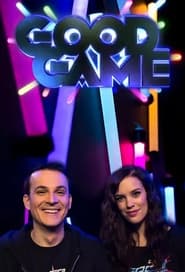
star 10Good Game is a program dedicated to video gaming. Each week it is jam-packed with the latest gaming news and events, top gaming tips, reviews and interviews with game developers and the people behind the scenes.Linha Direta
1990
Berlin direkt
2000
Berlin direkt
2000
MotorWeek
1981
MotorWeek
1981
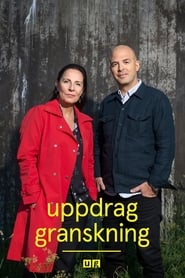
star 5.3This award-winning weekly automotive magazine provides unbiased, consumer-oriented car news with feature stories on related topics.Uppdrag granskning
2001
Uppdrag granskning
2001
star 7.3Swedish investigative journalism series known for the use of concealed cameras and microphones.Ted's Notebook
2012
TMZ Live
2012
TMZ Live
2012
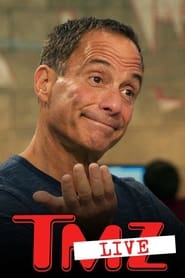
star 2This hourlong show is an edited version of the previous day's live video chat on TMZ, which features site founder Harvey Levin and others discussing the day's celebrity and entertainment news. Besides news, it provides a candid look at how the gossip site operates, bringing viewers into the site's newsroom, where the daily chats take place. "TMZ Live" allows viewers to present their opinions on the featured topics through social media, phone calls and video chat.Tavis Smiley
2004
Tavis Smiley
2004
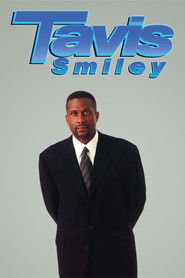
star 7.3Tavis Smiley features a unique mix of news and pop culture to combine for one thought-provoking and entertaining program. A hybrid of news, issues and entertainment, it features interviews with artists, activists, newsmakers, politicians and everyday people. Since its first season, the show has won four NAACP Image Awards for "Outstanding Television, News, Talk, or Information (Series or Special)." Taped at KCET studios, Tavis Smiley is the first West Coast talk show for PBS and is produced by The Smiley Group Inc./TS Media Inc. in association with KCET/Hollywood.Zapp
2002
Zapp
2002
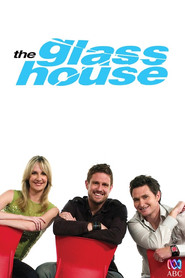
The Glass House
2021
The Glass House
2021
star 8The Glass House was a half-hour Australian comedy talk show which screened on the ABC from 2001 to 2006. It was hosted by stand-up comedian Wil Anderson, and co-hosted by fellow television and radio comedians Corinne Grant and Dave Hughes. Two additional guests joined the regular cast each week, including musicians, politicians, actors, radio personalities and other celebrities of varying calibre, such as Young Australian of the Year winners and Olympic athletes. Regular guests included comedians Adam Spencer and Akmal Saleh, netballer Liz Ellis, Play School host Rhys Muldoon, musician Pinky Beecroft, and music critic Molly Meldrum. The show thrived on taking regular shots at, among others, Shannon Noll, Amanda Vanstone, Naomi Robson, Shane Warne and Peter Costello. The format of the programme is similar to that of the BBC series, Have I Got News for You. The show was pre-recorded in front of a live audience in the ABC's Sydney studio on Tuesday evenings. During the Melbourne International Comedy Festival, the shCountdown with Keith Olbermann
2003
star 7Countdown with Keith Olbermann was an hour-long weeknight news and political commentary program hosted by Keith Olbermann that aired on MSNBC from 2003-2011 and Current TV from 2011-2012. The show presented five selected news stories of the day, with commentary by Olbermann and interviews of guests. At the start of Countdown, Olbermann told television columnist Lisa de Moraes: "Our charge for the immediate future is to stay out of the way of the news.... News is the news. We will not be screwing around with it.... As times improve and the war [in Iraq] ends we will begin to introduce more and more elements familiar to my style."Romy Award
1990
#BOOS
2016
M. Net
1998