Popular War Politics TV Series on Amazon Prime Video - Page 3
All Services
Free Services
 Netflix
 Amazon Prime Video
 Apple iTunes
 Apple TV Plus
 Disney Plus
 Google Play Movies
 Paramount Plus
 Hulu
Hulu
 HBO Max
 YouTube
 fuboTV
 Peacock
 Peacock Premium
 Amazon Video
 The Roku Channel
 AMC+
AMC on Demand
AMC+
AMC on Demand
 Kocowa
 Hoopla
 The CW
 Vudu
Vudu
 Starz
Starz
 Showtime
 PBS
PBS
 Pantaflix
 FXNow
FXNow
 Tubi TV
 Kanopy
 Comedy Central
 Crunchyroll
 Microsoft Store
 Redbox
 Sun Nxt
 ABC
ABC
 DIRECTV
 Crackle
 Fandor
 Plex
Plex
Netflix
Amazon Prime Video
Apple iTunes
Apple TV Plus
Disney Plus
Google Play Movies
Paramount Plus
Hulu
HBO Max
YouTube
fuboTV
Peacock
Peacock Premium
Amazon Video
The Roku Channel
AMC+
AMC on Demand
Kocowa
Hoopla
The CW
Vudu
Starz
Showtime
PBS
Pantaflix
FXNow
Tubi TV
Kanopy
Comedy Central
Crunchyroll
Microsoft Store
Redbox
Sun Nxt
ABC
DIRECTV
Crackle
Fandor
Plex

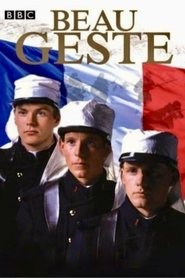
Beau Geste
1982
Beau Geste
1982
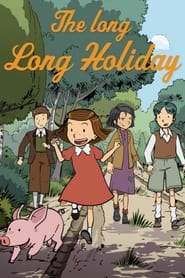
star 7Brothers Beau, John and Digby Geste join the Foreign Legion, where they fall under the rule of tyrannical Sergeant Markoff. Beau and John are assigned to Fort Zinderneuf, where Markoff tries to break their spirit, aware of a dark family secret concerning a fabulous jewel one of them carries. As tensions rise, Arabs attack the fort and rivalries must be thrown aside in a desperate battle for life.The Long, Long Holiday
2015
star 8.7In September 1939, Colette and Ernest are welcomed by their maternal grandparents in a fictional village named Grangeville, near Dieppe in Normandy. The short vacation becomes semi-permanent when their father goes off to fight, following the mobilization of France to fight the invading German Army, and the poor health of their mother, required to leave to be treated for tuberculosis in a sanatorium in Switzerland. The two little Parisians discover life in the countryside during wartime, including occupation, Resistance, deprivation, but also life with friends.Wish Me Luck
1988
Wish Me Luck
1988
star 6.5A secret organisation called The Outfit recruits and trains civilians, sending them undercover to aid in the war effort, or placing them in administrative tasks to aid the group. Each person arrives at The Outfit by a different route: Mathilde ('Matty') escaped to London from France and wants desperately to contribute to the war effort; Liz, whose husband is serving overseas and whose brother has just died in the war, stumbles into the group almost by accident. Former actor Colin Beale also trains for undercover work. Vivien's husband was executed when his work with The Outfit was uncovered. But they all come together against the common enemy.A Family at War
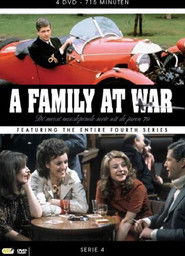
1970
A Family at War
1970
star 6.8A Family at War is a British drama series created by John Finch and produced by Granada Television for ITV. It broadcast from 14 April 1970 to 16 February 1972. 52 episodes were made, all but eight in colour. Episodes numbers 25 to 32 were recorded in black and white because of the ITV Colour Strike (November 1970 — February 1971). The Ashton family struggles to deal with the harsh realities of the Second World War as their sons are sent away to fight. Those who remain at home in Liverpool live in constant fear of a knock on the door with a telegram from the War Office or the Luftwaffe bombs overhead as they sleep at night.New Worlds
2014
New Worlds
2014
star 6.1New Worlds is a four-part 2014 British television drama serial created by Peter Flannery and Martine Brant, a follow-up to their 2008 series The Devil's Whore, produced by Company Pictures for Channel 4. During the turbulent Restoration period of the 1600s, young, idealistic renegade Abe Goffe is determined to fight for England to become a true republic. A romantic at heart, he falls for privileged Beth—daughter of Countess of Abingdon Angelica Fanshawe—and brings her into his quest for a new future, transforming her from the innocent young woman she starts out as.The Crimson Field
2014
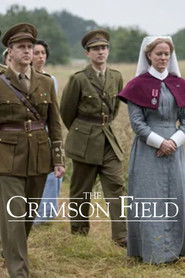
The Crimson Field
2014
star 7.5In a tented field hospital on the coast of France, a team of doctors, nurses and women volunteers work together to heal the bodies and souls of men wounded in the trenches.Gallipoli
2015
Gallipoli
2015
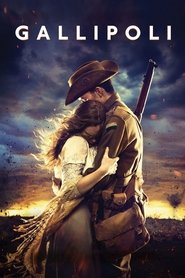
star 6.8As dawn breaks on April 25, 1915, ANZAC troops go into battle on the beaches of the Gallipoli peninsula. Landing in the dark chaos, Tolly, Bevan and their mates struggle to establish a tenuous foothold on the treacherous slopes and deep ravines. They endure the next eight months on the peninsula learning lessons of survival. By the time of the final evacuation they have also learned the skills of combat and what it means to be a young man in war.The Presidents
2005
The Presidents
2005
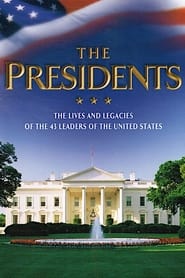
star 6.5The show documents each of the Presidents in the union, starting with George Washington, following a chronological order up until George W. Bush. Each President's segment begins with the narrator giving a brief dossier about each one, from their political affiliation, family, and notable traits. The show then highlights the history behind each presidency, linking each one to the following.World War II in Colour
2009
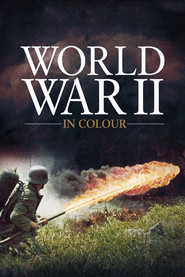
star 7.6World War II In Colour is a 13-episode television documentary miniseries recounting the events of World War II narrated by Robert Powell. The show covers the Western Front, Eastern Front, and the Pacific War. It is on syndication in America on the Military Channel. This series is in full color, combining both original and colorized footage.Dates That Made History
2018
star 8.6Historian Patrick Boucheron revisits the most important dates in history through the prisms of memory and collective imagination.D-Day Sacrifice
2014
D-Day Sacrifice
2014
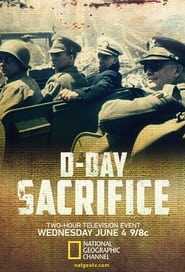
star 6.9Comprised entirely of re-mastered and colorised archive footage from World War II, much of it never before seen, Sacrifice recounts the story of D-Day through the testimonies of those who lived it. These important historical days are seen through the eyes of French civilians and members of the military fighting on both sides. The testimonies of famous individuals like Dwight D. Eisenhower and Erwin Rommel are intertwined with those of anonymous soldiers and citizens, such as film director Samuel Fuller and Eisenhower's chauffeur, Kay Summersby. From the preparations for D-Day all the way through to the liberation of Paris, the accounts of these men and women provide a moving and invaluable retelling of this pivotal time in history.Vietnam in HD
2011
Vietnam in HD
2011
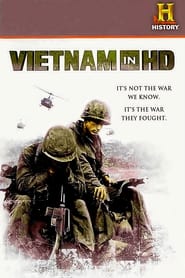
star 7.7The firsthand experiences of thirteen Americans during the Vietnam War. The thirteen Americans retell their stories in Vietnam paired with found footage from the battlefield.The Last Post
2017
The Last Post
2017
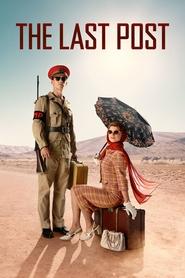
star 6.6Drama series set in the mid-sixties, in which a unit of Royal Military Police officers and their families deal with the challenges of politics, love and war in British-controlled Aden.An Unknown Enemy
2018
An Unknown Enemy
2018
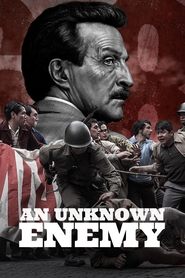
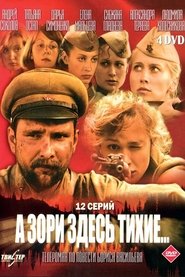
star 8Fernando Barrientos, Head of the National Security Directorate, Mexico's Secret Police, is trying to reach the highest position in the country. On his way, he'll have to manipulate, betray, and kill, and he's well prepared for it. However, his path will be full of obstacles. Nobody, not even his family, will be immune to the chaos left in his quest for total power.A zori zdes tikhie
2005
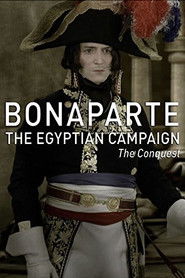
Bonaparte: The Egyptian Campaign
2017
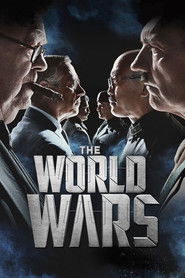
star 7.2In the spring of 1798, Napoleon set out with 38,000 men and 10,000 sailors to conquer Egypt.The World Wars
2014
The World Wars
2014
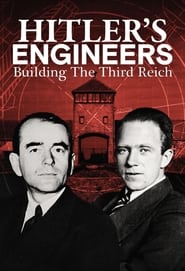
star 7.3The story of three decades of war told through the eyes of various men who were its key players: Roosevelt, Hitler, Patton, Mussolini, Churchill, Tojo, DeGaulle and MacArthur. The series examines the two wars as one contiguous timeline starting in 1914 and concluding in 1945 with these unique individuals coming of age in World War I before ultimately calling the shots in World War II.Hitler's Engineers: Building the Third Reich
2023
star 8Meet the architects behind the Nazi war machine. The Führer's most prominent planners, designers, architects, and builders tried to downplay their role in the Holocaust, but the truth is now exposed.War
2023
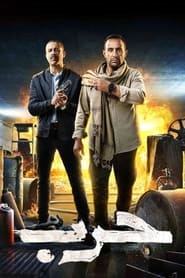
War
2023
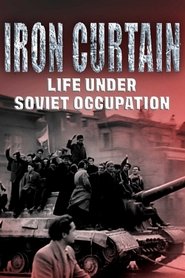
star 4The events revolve around a member of an extremist terrorist group called Al Zafer, who is trying to carry out a number of terrorist operations in Egypt, but he gets pursued by the security services.Iron Curtain: Life Under Soviet Occupation
2024
star 7.1How did the Soviet Union impose its communist ideology on the countries of Central and Eastern Europe after World War II? The story of how, from 1945 until the construction of the Berlin Wall in 1961, these countries were gradually subjected to the totalitarian Soviet yoke.