Popular Western TV Series on The Roku Channel - Page 2
All Services
Free Services
 Netflix
 Amazon Prime Video
 Apple iTunes
 Apple TV Plus
 Disney Plus
 Google Play Movies
 Paramount Plus
 Hulu
Hulu
 HBO Max
 YouTube
 fuboTV
 Peacock
 Peacock Premium
 Amazon Video
 The Roku Channel
 AMC+
AMC on Demand
AMC+
AMC on Demand
 Kocowa
 Hoopla
 The CW
 Vudu
Vudu
 Starz
Starz
 Showtime
 PBS
PBS
 Pantaflix
 FXNow
FXNow
 Tubi TV
 Kanopy
 Comedy Central
 Crunchyroll
 Microsoft Store
 Redbox
 Sun Nxt
 ABC
ABC
 DIRECTV
 Crackle
 Fandor
 Plex
Plex
Netflix
Amazon Prime Video
Apple iTunes
Apple TV Plus
Disney Plus
Google Play Movies
Paramount Plus
Hulu
HBO Max
YouTube
fuboTV
Peacock
Peacock Premium
Amazon Video
The Roku Channel
AMC+
AMC on Demand
Kocowa
Hoopla
The CW
Vudu
Starz
Showtime
PBS
Pantaflix
FXNow
Tubi TV
Kanopy
Comedy Central
Crunchyroll
Microsoft Store
Redbox
Sun Nxt
ABC
DIRECTV
Crackle
Fandor
Plex

The Gene Autry Show
1950
The Gene Autry Show
1950
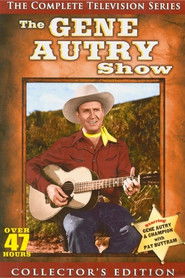
star 4.7The Gene Autry Show is an American western/cowboy television series which aired for 91 episodes on CBS from July 23, 1950 until August 7, 1956, originally sponsored by Wrigley's Doublemint chewing gum.Annie Oakley
1954
Annie Oakley
1954
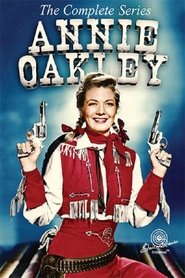
star 5.6Annie Oakley was an American Western television series that fictionalized the life of famous sharpshooter Annie Oakley. It ran from January 1954 to February 1957 in syndication, for a total of 81 black and white episodes, each 25 minutes long. ABC showed reruns on Saturday and Sunday daytime from 1959 to 1960 and from 1964 to 1965.The Adventures of Kit Carson
1951
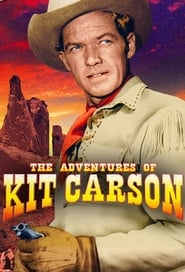
star 6The Adventures of Kit Carson is an American Western series that aired in syndication from August 1951 to November 1955, originally sponsored by Coca-Cola. It stars Bill Williams in the title role as frontier scout Christopher "Kit" Carson. Don Diamond co-starred as "El Toro", Carson's Mexican companion.Lonesome Dove
1989
Lonesome Dove
1989
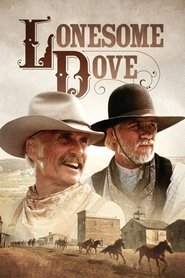
star 7.9A pair of longtime friends and former Texas Rangers crave one last adventure before hanging-up their spurs. After stealing over a thousand head of cattle from rustlers south of the border, they recruit an unlikely crew of hands to drive the herd 3,000 miles north to the grasslands of Montana.Bordertown
1989
Bordertown
1989
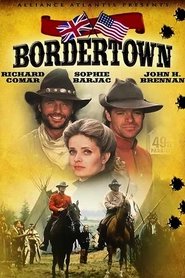
star 6.6Bordertown is a television western-drama series that aired from 1989 to 1991. It depicts the town formerly known as Pemmican that was later renamed Bordertown when the western border between the United States and Canada was surveyed in 1880, dividing the town.The Young Riders
1989
The Young Riders
1989
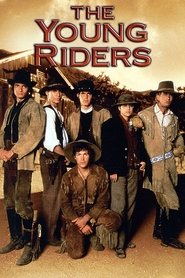
star 7.4The Young Riders was an American Western television series created by Ed Spielman that presents a fictionalized account of a group of young Pony Express riders based at the Sweetwater Station in the Nebraska Territory during the years leading up to the American Civil War. The series premiered on ABC on September 20, 1989 and ran for three seasons until the final episode aired on July 23, 1992.The Adventures of Rin Tin Tin
1954
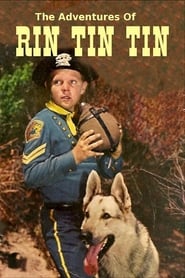
star 7The Adventures of Rin Tin Tin is an American children's television program. Beginning in October 1954 until May 1959, 166 episodes originally aired on ABC television network. It starred child actor Lee Aaker as Rusty, a boy orphaned in an Indian raid, who was being raised by the soldiers at a US Cavalry post known as Fort Apache. He and his German shepherd dog, Rin Tin Tin, helped the soldiers to establish order in the American West. Texas-born actor James Brown appeared as Lieutenant Ripley "Rip" Masters. Co-stars included veteran actor Joe Sawyer and actor Rand Brooks from Gone with the Wind fame.The Roy Rogers Show
1951
The Roy Rogers Show
1951
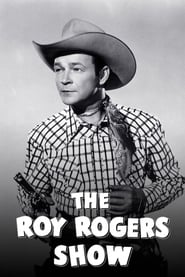
star 6.8Roy Rogers is the owner of the RR Ranch in the Mineral City area, which he runs with the help of the German shepherd dog Bullet and his horse Trigger. Roy, supported by his friend Pat Brady, is often helping the weakest usually threatened by cattle thieves, dishonest sheriffs and villains of various kinds. Pat Brady works as a cook at the Eureka Café, owned by Dale Evans.Here Come the Brides
1968
Here Come the Brides
1968
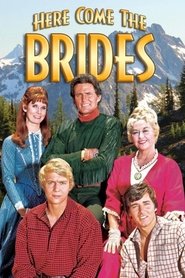
star 6.9Here Come the Brides is an American comedy Western series from Screen Gems that aired on the ABC television network from September 25, 1968 to April 3, 1970. The series was loosely based upon the Mercer Girls, Asa Mercer's efforts to bring civilization to old Seattle by importing marriageable women from the east coast of the United States in the 1860s, where the ravages of the American Civil War left towns short of men.Harts of the West
1993
Harts of the West
1993
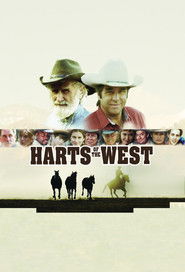
star 6.8Harts of the West is an American Western/comedy–drama series starring Beau Bridges and his father, Lloyd Bridges, set on a dude ranch in Nevada. The series aired on CBS from September 1993, to June 1994.26 Men
1957
26 Men
1957
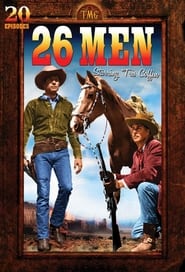
star 526 Men is a syndicated American western television series about the Arizona Rangers, an elite group commissioned in 1901 by the legislature of the Arizona Territory and limited, for financial reasons, to twenty-six active members. Russell Hayden was the producer of the series and the co-composer of the theme song. The series aired between October 15, 1957 and June 30, 1959, for a total of 78 episodes.Sergeant Preston of the Yukon
1955
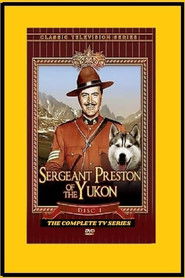
star 6.8Sergeant Preston of the Yukon is an American action adventure northwestern television series based on the radio drama Challenge of the Yukon. It was initially broadcast in color on CBS across three seasons from September 29, 1955 to September 25, 1958. Richard Simmons stars as Sergeant William Preston, who patrols the Yukon Territory in search of renegades and outlaws, during the time of the Klondike Gold Rush of the 1890s.The Outcasts
1968
The Outcasts
1968
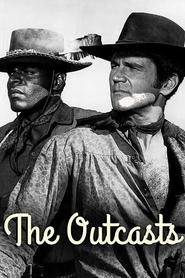
star 6.5A bounty hunter who was a Confederate Officer teams up with an ex-slave who was a Union Soldier during the Civil War.Dead Man's Gun
1997
Dead Man's Gun
1997
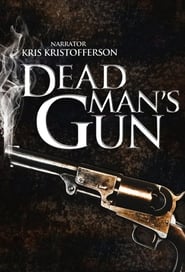
star 5Dead Man's Gun is a western anthology series broadcast on Showtime from 1997 to 1999. The series follows the travels of a magical revolver as it passes to a new character in each episode. The gun would change the life of whomever possessed it.Mantracker
2006
Mantracker
2006
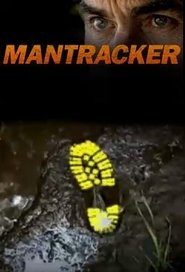
star 5.3Mantracker is a Canadian reality television series created by Ihor Macijiwsky and produced by Bonterra Productions. It premiered in Canada in April 2006 on the Outdoor Life Network. In the United States, the show currently airs on the Science Channel and in the UK on Extreme Sports Channel. The episodes of the first six seasons feature Terry Grant, an expert tracker called the "Mantracker", who pursues two individuals in the remote Canadian or American wilderness. The pursued, referred to as "Prey", must elude capture while attempting to reach a finish line within thirty-six hours. In season 7, Chad Savage Lenz replaces Terry Grant as the Mantracker.Death Valley Days
1952
Death Valley Days
1952
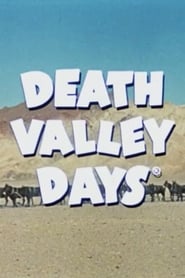
star 6.6Death Valley Days is an American radio and television anthology series featuring true stories of the old American West, particularly the Death Valley area. Created in 1930 by Ruth Woodman, the program was broadcast on radio until 1945 and continued from 1952 to 1970 as a syndicated television series, with reruns continuing through August 1, 1975. The series was sponsored by the Pacific Coast Borax Company and hosted by Stanley Andrews, Ronald Reagan, Robert Taylor, and Dale Robertson. With the passing of Dale Robertson in 2013, all the former Death Valley Days hosts are now deceased.Legacy
1998
Legacy
1998
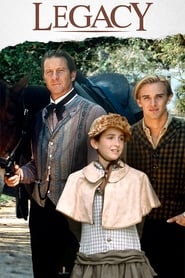
star 8.4In post-Civil War Kentucky, wealthy widower Ned Logan raises a family all on his own on his horse farm. His streetwise adopted son clashes with the youngest son, Clay, as well as the southern society. Meanwhile, Sean reconsiders his impending engagement to debutante Vivian Winters.The Californians
1957
The Californians
1957
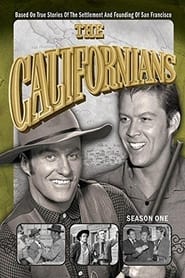
star 5.8San Franciscans during the goldrush of the 1850s attempt to maintain law and order in their wild city. Newly arrived Matthew Wayne becomes sheriff, then marshal, and organizes the city police force while expressing interest in the young widow Fanzler and sparring with attorney Pitt. Adam Kennedy appears as Dion Patrick, an Irish newspaperman who helps the local vigilante committee.The Westerner
1960
The Westerner
1960
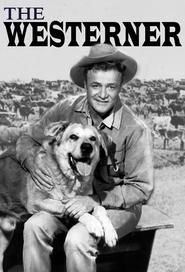
star 7The Westerner is an American Western series that aired on NBC from September to December 1960. Created by Sam Peckinpah, the series was produced by Four Star Television. The Westerner stars Brian Keith as Dave Blassingame and features John Dehner as semi-regular Burgundy Smith.Frontier Doctor
1958
Frontier Doctor
1958
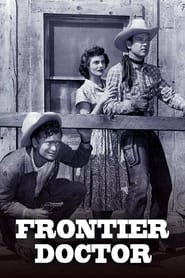
star 6.3Frontier Doctor is an American Western television series starring Rex Allen that aired in syndication from September 26, 1958, until June 20, 1959.