Popular News TV Series on Tub Tv - Page 16
All Services
Free Services
 Netflix
 Amazon Prime Video
 Apple iTunes
 Apple TV Plus
 Disney Plus
 Google Play Movies
 Paramount Plus
 Hulu
Hulu
 HBO Max
 YouTube
 fuboTV
 Peacock
 Peacock Premium
 Amazon Video
 The Roku Channel
 AMC+
AMC on Demand
AMC+
AMC on Demand
 Kocowa
 Hoopla
 The CW
 Vudu
Vudu
 Starz
Starz
 Showtime
 PBS
PBS
 Pantaflix
 FXNow
FXNow
 Tubi TV
 Kanopy
 Comedy Central
 Crunchyroll
 Microsoft Store
 Redbox
 Sun Nxt
 ABC
ABC
 DIRECTV
 Crackle
 Fandor
 Plex
Plex
Netflix
Amazon Prime Video
Apple iTunes
Apple TV Plus
Disney Plus
Google Play Movies
Paramount Plus
Hulu
HBO Max
YouTube
fuboTV
Peacock
Peacock Premium
Amazon Video
The Roku Channel
AMC+
AMC on Demand
Kocowa
Hoopla
The CW
Vudu
Starz
Showtime
PBS
Pantaflix
FXNow
Tubi TV
Kanopy
Comedy Central
Crunchyroll
Microsoft Store
Redbox
Sun Nxt
ABC
DIRECTV
Crackle
Fandor
Plex

Exakt
2019
Exakt
2019
Need to Know
2010
Need to Know
2010
Need to Know is an American public television news program produced by WNET, and broadcast weekly on all Public Broadcasting Service (PBS) affiliate-stations in the United States. It aired from May 2010 until June 2013. PBS stated that the show was intended to fill the public-affairs and "hard"/investigative news void left by both the one-hour Bill Moyers Journal, and the cancelled, half-hour NOW on PBS. Both departing shows had been long-running, highly rated, and critically acclaimed for their journalistic quality, and focus on issues that deeply impacted regular Americans' lives, yet went largely ignored by commercial TV news outlets. "NTK" branded itself the "TV and Web newsmagazine [that] gives you what you need to know." PBS had described the show as “a multi-platform current affairs news magazine, uniting broadcast and web in an innovative approach to news-gathering and reporting."Governo Sombra
2020
Governo Sombra
2020
The Pocket Games
2020
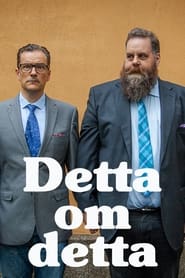
Detta om detta
2014
Catalyst
2014
Catalyst
2014
Catalyst is Australia's premier science investigation series. Each week the team brings you stories from Australia and around the world, meeting scientists at the forefront of discovery.Tele-Akademie
1987
Tele-Akademie
1987
Pardon the Interruption
2001
star 6.6Pardon the Interruption is a sports television show that airs weekdays on various ESPN TV channels, TSN, ESPN America, XM, and Sirius satellite radio services, and as a downloadable podcast. It is hosted by Tony Kornheiser and Michael Wilbon, who discuss, and frequently argue over, the top stories of the day in "sports... and other stuff". They had previously done this off-air in The Washington Post newsroom. Either Tony Reali or the uncredited "producer over the loudspeaker" serves as moderator for parts of the show, which is filmed in Washington, D.C.; Around The Horn also originates from the same studio.Forensic Investigators
2004
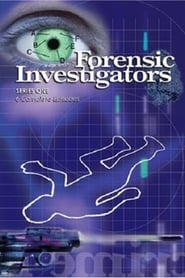
Forensic Investigators: Australia's True Crimes is an Australian television show hosted by Lisa McCune which aired on the Seven Network. It aired from 2004 to 2006. Focusing on actual Australian crimes, each episode unfolds the drama minute-by-minute showing viewers the tireless work of detectives, and the scientific procedures required to solve these mysteries. The series includes exclusive footage that has never been seen outside the courtroom, including police videos, crime scene stills and other forensic evidence. Recently the 1st and 2nd seasons have been released on DVD. The third season featured a new time slot – Wednesday at 8:30 pm. It is not known when, or if the fourth season will begin airing.This Morning
1988
This Morning
1988
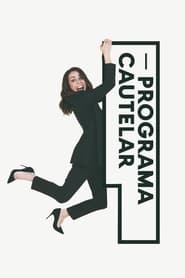
star 5.2This Morning features a variety of news, as well as show business, fashion, beauty, lifestyle, home and garden, food, tech, live phone-ins, and competitions.Programa Cautelar
2021
Programa Cautelar
2021
A combination of humor and analysis, which tries to explain reality in a simple, fun and factual way.Final Score
2001
Final Score
2001
Final Score is a BBC Television programme produced by BBC Sport. The programme is broadcast on late Saturday afternoons in England, Wales and Northern Ireland, usually on BBC One. BBC Northern Ireland opts away during the last ten minutes to cover local results, BBC Scotland runs a different programme altogether – Sportscene Results. Final Score is also broadcast on Boxing Day, New Year's Day and Easter Monday plus a special Sunday edition on the final day of the Premier League. The programme, which is currently presented by Jason Mohammad, provides viewers with the results from the main football league matches played on that day. Final Score is also broadcast on Saturday afternoons on the BBC Red Button and online for two hours before the BBC One broadcast begins. This programme features a live studio discussing the day's play as it is being played while also showing audio coverage clips of a large number of matches that are being played.Barça News
2024
Hamburg Journal
2011
Hamburg Journal
2011
Skyggesiden
2024
Skyggesiden
2024
star 10Skyggesiden (The Shadow Side) goes into detail with the biggest current crime cases - in the company of two of Denmark's most seasoned and knowledgeable crime journalists, Janni Pedersen and Carsten Norton.Die Wochenshow
1996
Die Wochenshow
1996
star 6.5Die Wochenshow is a German weekly comedy sketch show that aires on Sat.1 and is produced by Brainpool TV. It started on 20 April 1996 and was cancelled early in 2002. Almost a decade later, eight new episodes have been broadcast since 20 May 2011.What Would You Do?
2008
What Would You Do?
2008
star 7.9An American television news magazine and hidden camera show. Actors act out scenes of conflict or illegal activity in public settings while hidden cameras videotape the scene, and the focus is on whether or not bystanders intervene, and how. Variations are also usually included, such as changing the genders, the races or the clothing of the actors performing the scene, to see if bystanders react differently. Quiñones appears at the end to interview the bystanders about their reactions. As the experiment goes on, psychology professors, teachers, or club members watch and discuss the video with Quiñones, explaining and making inferences on the bystanders' reactions.